Have you ever wondered why some people get the hair transplant results they hoped for while others don’t? If you’re thinking about surgery — maybe you’ve asked a dermatologist here in Toronto or done a bit of online research — you’ve probably noticed how common hair thinning and baldness actually are. In Canada, hereditary hair loss (androgenetic alopecia) affects an estimated 40–50% of men and women by the age of 50, according to recent clinical consensus research.
That statistic alone shows why so many adults consider surgical options like hair transplants. But while surgery can make a big difference, what happens before your procedure is just as important as what happens in the operating room. Many people unintentionally sabotage their results because they overlook small but crucial steps.
Here are the five most common pre‑surgery mistakes and what you can do instead.
1. Skipping a Thorough Consultation
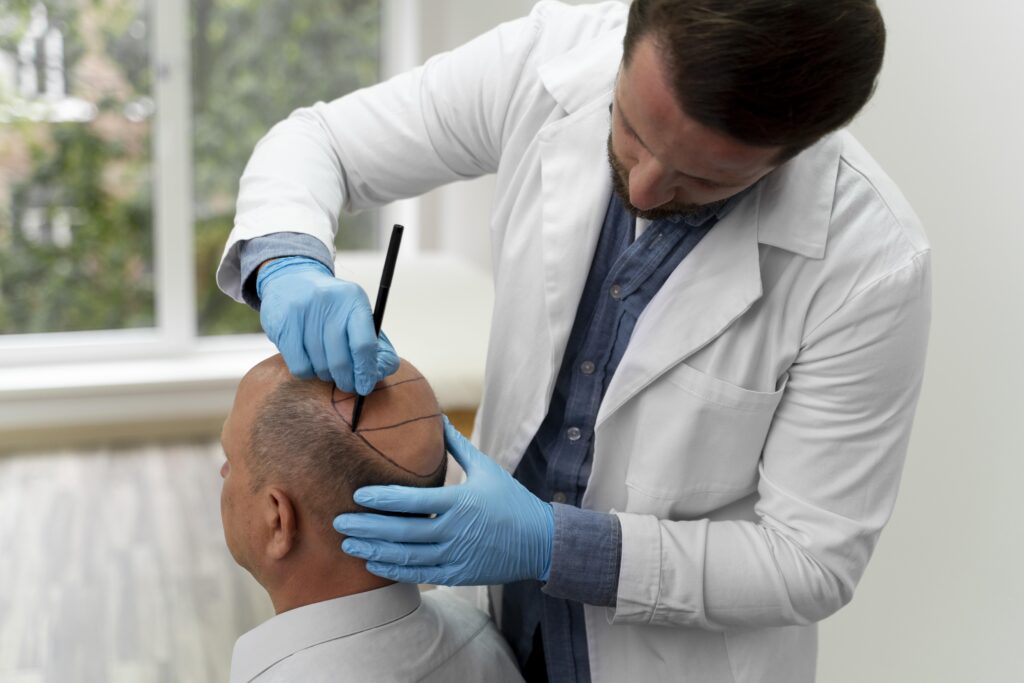
It might seem like a minor step, but skipping a proper consultation is one of the most common mistakes patients make. Many people focus only on cost or convenience when considering procedures like hair transplant in Toronto missing the opportunity to understand which techniques suit their hair type, how many grafts they might need, or what realistic results look like. A thoughtful consultation should feel like a real conversation, giving you time to ask questions, review potential outcomes, and get a clear picture of the process rather than a rushed appointment.
Experts in hair restoration often emphasize the importance of thorough pre-surgery consultations, and specialists like Dr. Jamil Asaria highlight how these discussions help patients set realistic expectations while understanding factors such as donor density and recovery timelines. This kind of preparation reduces uncertainty and contributes to a smoother overall experience.
2. Ignoring Medication and Health Guidelines
Your body’s chemistry matters. Some common medications and supplements—like blood thinners, certain anti‑inflammatories, and herbal remedies—can increase bleeding or slow healing. Even everyday choices like smoking or high alcohol consumption can reduce blood flow to your scalp and affect graft survival.
This isn’t about perfection, it’s about being smart. Let your surgeon review everything you take, and follow their prep instructions. It may feel like a hassle, but it’s a small investment in improving how your body handles the procedure and heals afterward.
3. Researching Only Online “Miracle” Results
Scrolling through social media feeds or photo galleries of perfect hairlines can be inspiring—but it can also be misleading. Images you see online often use filters, specific angles, or lighting to make results look fuller or more dramatic than they really are. Some photos represent rare best‑case scenarios rather than typical outcomes.
Clinical research shows that unrealistic expectations are one of the biggest contributors to post‑surgery dissatisfaction. When you base your expectations on glossy images rather than medical guidance tailored to your situation, you set yourself up for disappointment. Real conversations with your surgeon about your likely results are far more valuable than anything you’ll see on Instagram.
4. Neglecting to Plan Post‑Surgery Logistics
Surgery is just one moment in a longer process. Many patients underestimate what the first few days after a hair transplant will feel like. You’ll likely experience tenderness, some swelling, and the need to protect your scalp grafts carefully. For most people, this means limiting physical activity and avoiding certain sleeping positions.
Failing to plan simple logistics—like arranging a ride home, setting up a comfortable recovery space, or having soft foods on hand—can increase stress during a time when you should be resting. Treat your recovery as part of the treatment. It’s not a bonus; it’s part of achieving the results you want.
5. Overlooking Emotional Preparation
Hair loss can have a psychological toll, and emotional readiness is often underrated in surgical preparation. For many people, hair loss impacts confidence, self‑image, and everyday interactions. A transplant can improve these things, but the journey isn’t instant. There will be days when your scalp looks uneven, or you feel impatient waiting for new growth.
Talking with others who’ve been through it, reading real patient stories, or simply recognizing that change takes time helps you stay grounded. Preparing yourself mentally for fluctuations in appearance during the healing process can make the entire experience more manageable—and more satisfying when results finally show.
Final Thoughts
Hair transplant surgery isn’t just a medical procedure, it’s a personal journey. What you do before your surgery can influence not only the technical outcome, but how confident and prepared you feel throughout the process. Avoiding these five common mistakes will help you walk into your procedure with clarity, focus, and a realistic mindset.
Preparation builds confidence, and in this case, that confidence will grow right along with your hair. Taking the time to understand each step also helps you make better decisions along the way. In the end, a well-prepared approach often leads to results that feel more natural and satisfying.