
Social skills are one of the most important parts of a child’s development. They help children build friendships, communicate effectively, and navigate the world with confidence. But for many parents, knowing how to encourage these skills, without pushing too hard, can be tricky.
Below a swim school share some practical, positive ways to support your child’s social growth and help them thrive in any setting.
1. Model Good Social Behaviour
Children learn by watching the adults around them. Show them how to take turns in conversation, listen actively, and respond kindly. Use polite phrases like “please,” “thank you,” and “excuse me” regularly, and praise your child when they do the same.
Even small everyday moments, like chatting with a shop assistant or greeting a neighbour, can teach valuable lessons about friendliness and respect.
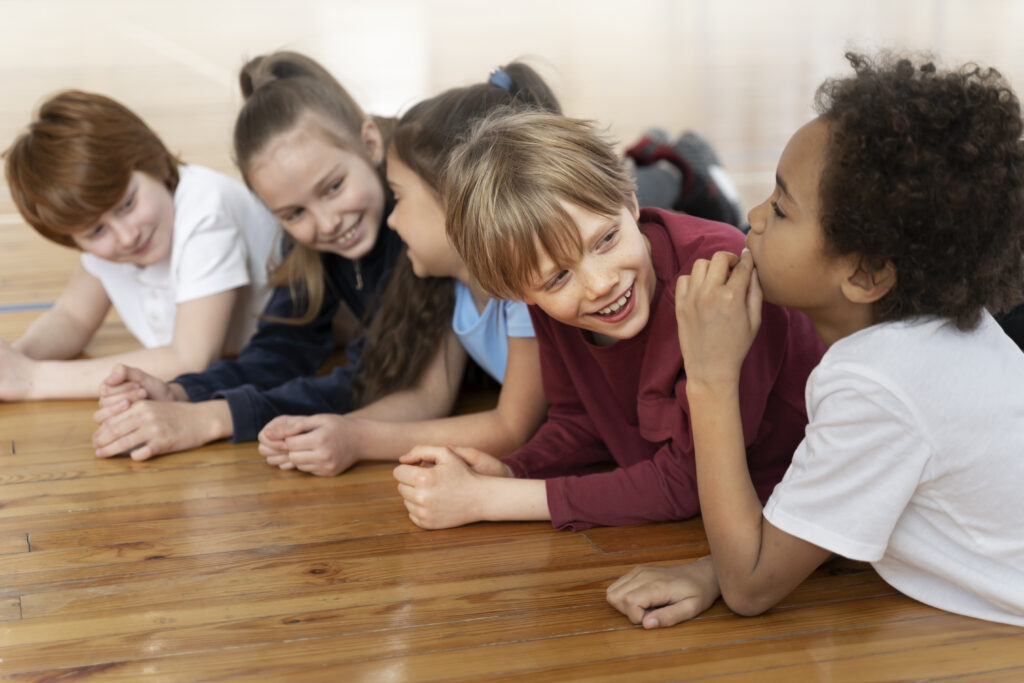
2. Encourage Play and Group Activities
Play is a natural and powerful way for children to learn social skills. Encourage them to spend time with peers, whether that’s at the park, in clubs, or during playdates. Group activities like sports, drama, or music classes help children learn teamwork, patience, and how to handle both winning and losing gracefully.
If your child is shy, start small. Invite one friend over at a time or stay nearby until they feel comfortable.
3. Teach Empathy and Perspective-Taking
Help your child understand how others might feel in different situations. Ask gentle questions like:
• “How do you think your friend felt when that happened?”
• “What could you do to help them feel better?”
Books, films, and even everyday conversations are great opportunities to explore emotions and build empathy, a key foundation for positive relationships.
4. Practice Communication Skills
Encourage your child to express themselves clearly and respectfully. You can do this by:
• Playing conversation games like “Would You Rather?”
• Role-playing tricky situations (e.g., asking to join a game or handling disagreements).
• Praising their efforts when they communicate thoughtfully.
Remember, listening is just as important as speaking. Teach your child how to pause, pay attention, and respond to what others are saying.
5. Help Them Handle Conflict Calmly
Disagreements are a normal part of friendships. The goal isn’t to avoid conflict, but to handle it well. Teach your child how to:
• Use “I” statements (“I feel upset when…”).
• Take a break if emotions are running high.
• Apologise and forgive when needed.
By learning these skills early, children become more resilient and confident in managing social challenges.
6. Celebrate Small Wins
Social confidence grows over time. Notice and celebrate your child’s progress, whether they’ve made a new friend, stood up for themselves, or simply joined in a group activity they were nervous about. Positive reinforcement helps build self-esteem and encourages them to keep trying.
Supporting your child’s social skills isn’t about perfection, it’s about providing gentle guidance, encouragement, and opportunities to connect. With your support and example, your child will develop the confidence and empathy they need to build strong, happy relationships throughout life.