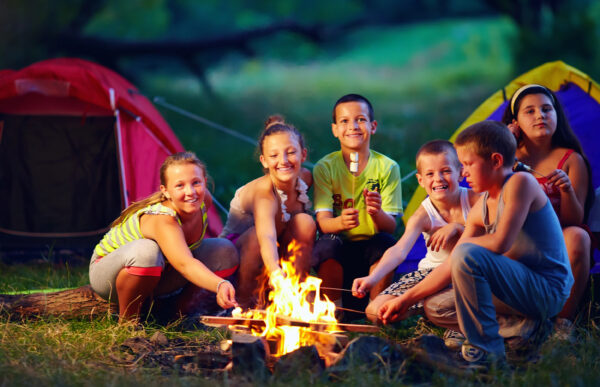
Nothing kills a child's outdoor adventure faster than the dreaded 'I'm cold!' meltdown. One minute, they are building snow forts like arctic architects, the next, they're shivering, miserable, and begging to go home.
But what if you could guarantee hours of warm, comfortable play – no matter how low the mercury drops? These battle-tested strategies from seasoned outdoor parents will turn your kids into winter warriors who laugh in the face of frost.
Understanding Cold Weather Risks for Children
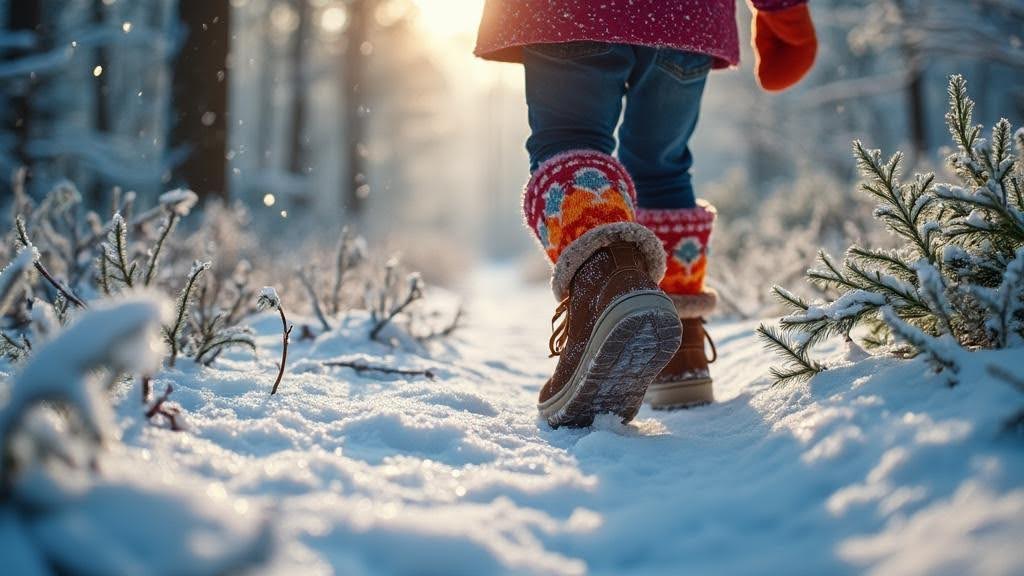
Keeping children safe during winter woodland walks requires special attention to their unique cold-weather vulnerabilities. Little ones experience heat loss much faster than adults, making them more susceptible to cold-related health issues. Their smaller bodies and higher surface-area-to-mass ratio mean that children lose heat rapidly during outdoor activities.
Children face unique challenges when exposed to cold weather, making it crucial for parents to recognize specific winter risks. Unlike adults, children lose body heat more rapidly due to their smaller body mass and higher surface-area-to-volume ratio, making them more susceptible to cold-related health issues even during brief outdoor activities.
Hypothermia can develop surprisingly quickly in children. Early warning signs include excessive shivering, slurred speech, and drowsiness. Young children may not verbalize discomfort effectively, and their tendency to continue playing can mask dangerous conditions.
Understanding these risks emphasizes why proper winter preparation requires selecting appropriate insulating materials. As a parent, ensure extremities are well-protected by investing in well-insulated gloves and heated socks with rechargeable batteries throughout outdoor activities. You can also establish clear outdoor time limits based on temperature conditions.
Regular check-ins and teaching children to recognize cold stress warning signs become essential for winter safety.
Select Proper Footwear and Layering
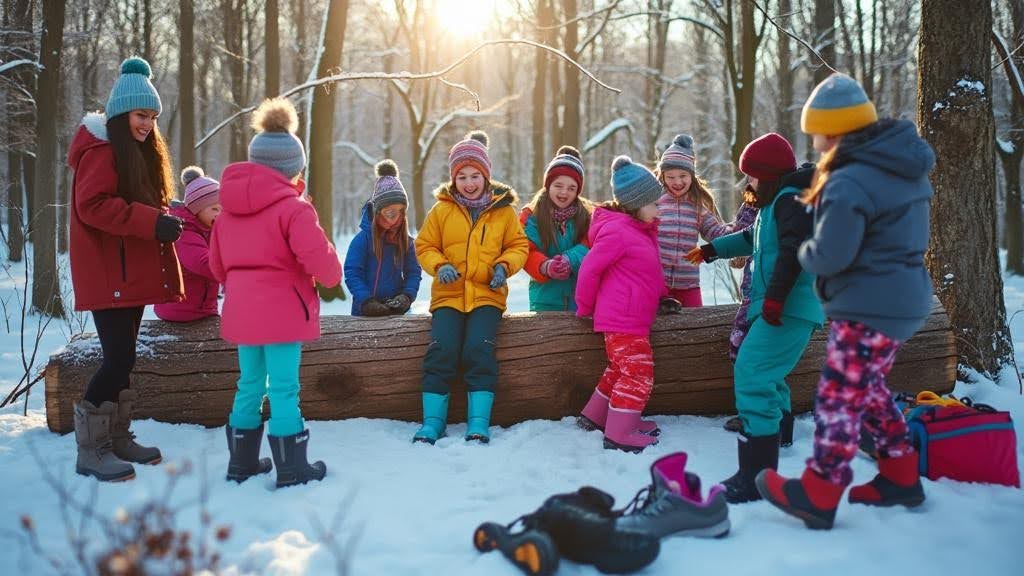
The right combination of boots and socks plays a vital role in protecting children's feet during chilly woodland adventures. Waterproof boots serve as the first line of defense against cold and wet conditions, while wool socks create an essential insulating layer that maintains warmth even in damp conditions.
The effectiveness of your child's winter footwear depends on smart layering choices. Here are key considerations for keeping little feet cosy and protected:
• Choose moisture-wicking sock liners as a base layer
• Add thick wool socks for primary insulation
• Select boots with adequate depth to accommodate layers
Remember to adjust sock thickness based on activity levels, thinner layers for active play, and thicker ones for stationary activities like wildlife watching.
Manage Moisture with Maximum Warmth
Keeping feet dry stands as the cornerstone of comfort and safety during woodland adventures with children. Kids love splashing through puddles and exploring wet areas, making moisture control essential for preventing discomfort and potential cold-related issues.
Their natural curiosity often leads them straight to the dampest spots, so staying on top of moisture management becomes a critical skill for parents. Here are a few ways to keep those little feet warm and dry:
• Regular sock checks during activity breaks
• Carrying spare socks in a waterproof bag
• Using moisture-wicking materials as the base layer
The battle against dampness requires constant attention, especially during longer outdoor excursions. Remember, happy feet mean happy explorers, and proper moisture management ensures those woodland adventures can continue safely through all seasons.
Improve Insulation and Circulation
Protecting little feet during winter walks requires parents to be keen on insulation and blood flow. The right balance of warmth and movement keeps circulation strong while preventing cold from seeping in.
Smart layering choices paired with active play create the perfect environment for comfortable outdoor adventures.
• Use thin, removable insoles that provide extra warmth without squeezing feet
• Add waterproof gaiters to block snow and wind from entering boots
• Select boots one size larger to accommodate winter socks without restricting movement
Encourage simple games like follow-the-leader or nature scavenger hunts to keep little feet moving and blood pumping. Brief stops for rest should include toe wiggles and ankle rotations to boost blood flow. Remember that children face unique cold-weather challenges, and they lose heat faster than adults do outdoors.
Monitor their comfort levels closely and adjust activities to maintain optimal warmth without overheating. Quick pace changes and regular movement checks help ensure toes stay cosy throughout the entire woodland adventure.
Prompt Response to Early Warning Signs
Quick action is essential when little ones show signs of discomfort in their feet during woodland walks. The risk of frostbite in children is significantly higher, as just a few minutes of exposure can potentially cause damage in extreme conditions.
Early detection and swift response to cold toes can prevent serious complications. When a body temperature drops below normal levels, children may experience discomfort before showing visible signs of distress.
Steps to Take When Children Complain About Cold Feet
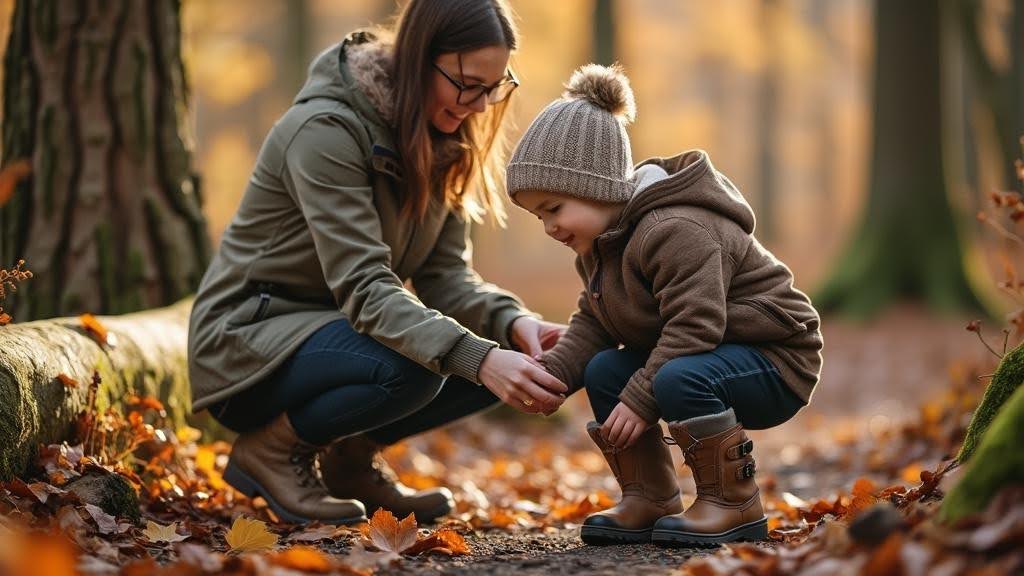
When your child says their feet are cold during winter activities, responding swiftly can prevent discomfort from turning into a more serious cold-weather injury. Here are the steps you need to take when your kid complains of cold feet:
1. Stop the activity immediately and move to a warm, dry location
2. Remove wet socks and boots carefully
3. Check toes for signs of colour changes or numbness
4. Apply gentle warmth through dry socks and gradual rewarming
5. Monitor the child's comfort level during the warming process
Consider using heated socks for additional protection during winter walks. Regular movement breaks and careful observation during rest periods help maintain proper circulation and prevent cold-related problems before they start.
Woodland Adventure Safety
Keeping children's feet warm during woodland walks goes beyond mere comfort; it's a crucial safety consideration that demands vigilant attention from parents and caregivers.
The combination of proper footwear, smart layering techniques, and constant monitoring creates an environment where kids can safely explore and enjoy nature's wonders without risking cold-weather complications.
A well-prepared adventure with warm, dry feet not only protects our little explorers but also nurtures their love for outdoor discovery, creating memories that will last a lifetime.