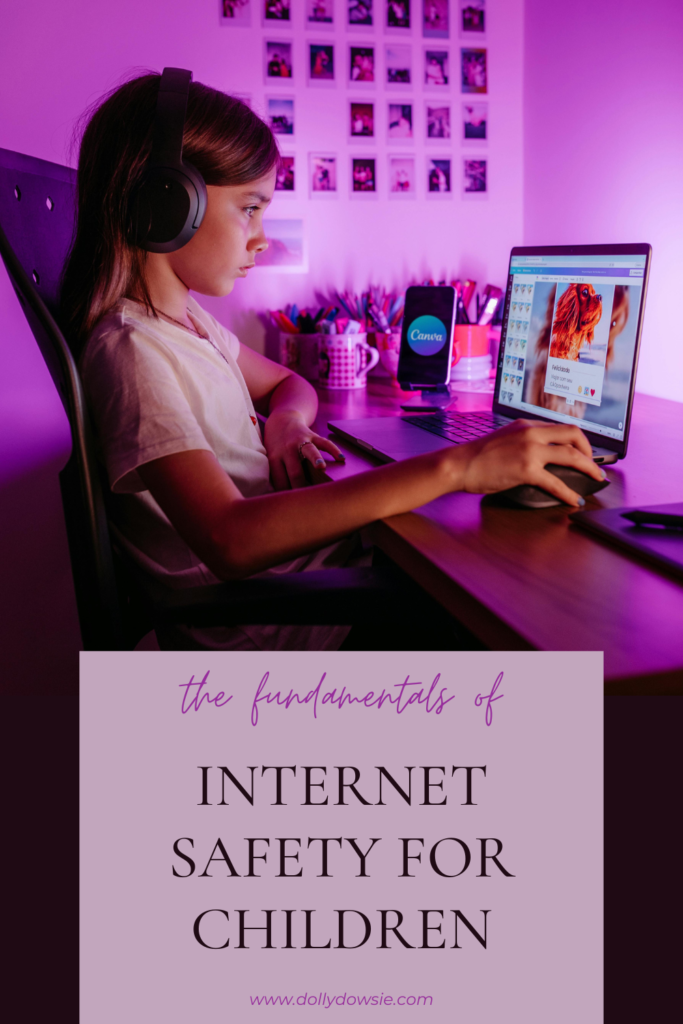
In today’s digital age, children are growing up surrounded by technology. While the internet offers incredible opportunities for learning, communication, and entertainment, it also comes with risks. Ensuring your child’s online safety is crucial, and it starts with understanding the fundamentals of internet safety.
Why Internet Safety Matters for Children
Children are naturally curious and may not fully understand the dangers of the online world. From cyberbullying to inappropriate content, the internet can expose them to risks that could harm their emotional well-being, privacy, or security. As parents and guardians, teaching children how to navigate the digital space responsibly is essential to their overall safety.

Set Clear Rules for Internet Usage
This independent school in Surrey recommends establishing rules about internet usage as it is the first step to creating a safe online environment.
Screen Time Limits: Ensure children have a balanced routine that includes offline activities, limiting the amount of time spent on screens.
Designated Usage Areas: Encourage internet use in shared spaces where you can monitor activity, such as the living room.
Approved Websites and Apps: Create a list of safe, age-appropriate websites and apps they can access.
By setting boundaries, you can guide your child toward healthy and safe internet habits.
Teach Them About Privacy
One of the most critical lessons for children online is understanding the importance of privacy.
Personal Information: Explain why they should never share personal details such as their full name, address, or school online.
Passwords: Encourage strong passwords and stress the importance of keeping them private, even from friends.
Stranger Danger: Teach them to avoid interacting with strangers online, just as they would in real life.
Use age-appropriate language to help children grasp these concepts without overwhelming them.
Recognising and Reporting Cyberbullying
Cyberbullying is one of the most common risks for children online. Teach your child to recognise signs of cyberbullying, such as mean comments, exclusion, or threats. Encourage open communication, so they feel comfortable sharing their experiences with you.
If your child encounters cyberbullying, remind them to:
Not Respond: Advise them to avoid engaging with bullies.
Save Evidence: Screenshots can be helpful if you need to report the incident.
Report and Block: Show them how to block users and report inappropriate content on the platform.
Use Parental Controls and Monitoring Tools
Parental controls are an excellent way to safeguard your child’s online activity. Many devices, apps, and browsers allow you to:
Filter inappropriate content.
Set time limits.
Monitor browsing history and app usage.
While these tools are helpful, they should complement—not replace—active communication about internet safety.
Encourage Critical Thinking Online
Children should learn to evaluate the information they encounter online. Teach them to question the authenticity of content and avoid clicking on suspicious links. Discuss the dangers of phishing scams and how to spot them
.
Empowering children with critical thinking skills will help them make smarter decisions online.
Fostering a Safe Online Environment
By setting clear rules, teaching privacy, recognising cyberbullying, and encouraging critical thinking, you can help your child navigate the internet safely. Open communication is key—let your child know they can always come to you with concerns.
In a connected world, internet safety is an essential life skill. Equip your child with the tools and knowledge they need to explore the digital landscape confidently and securely.