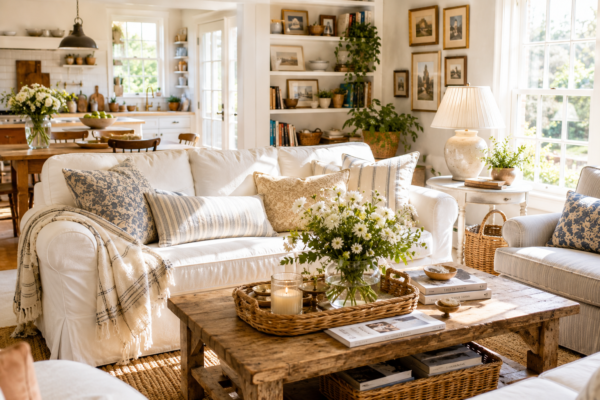
Creating a calm playroom doesn’t mean designing a perfectly styled space or filling a room with expensive furniture and toys.
Often, the most peaceful and inviting playrooms are the simplest ones, spaces that encourage creativity, independent play, quiet time activities and slower family rhythms.
If you’re looking for calm playroom ideas that feel cozy, functional and realistic for everyday family life, these simple ideas can help you create a space your children genuinely enjoy spending time in.
Whether you have a dedicated playroom, a small play corner or simply want your home to feel less overwhelming, these cozy playroom ideas are designed to support calm play and meaningful childhood moments.

Choose Soft, Neutral Colors
One of the easiest ways to create a calmer playroom is by simplifying the color palette.
Bright primary colors can sometimes make spaces feel overstimulating, especially when combined with large amounts of toys and visual clutter.
Calming playroom color ideas include:
- Warm beige tones
- Soft sage green
- Muted terracotta
- Warm whites
- Dusty blush tones
- Natural wood finishes
You don’t need to completely redesign a room to create a softer atmosphere. Even adding natural textures, baskets, or neutral storage can make a big difference.

Use Open-Ended Toys
Calm playrooms often focus less on loud electronic toys and more on activities that encourage imagination and creativity.
Open-ended toys tend to hold children’s attention for longer while supporting independent play.
Great open-ended playroom toys include:
- Wooden blocks
- Magnetic tiles
- Dollhouses
- Train sets
- Play silks
- Pretend play toys
- Animal figurines
Simple toys are often the ones children return to again and again.

Create a Cozy Reading Corner
A reading corner instantly makes a playroom feel calmer and more inviting.
You don’t need an elaborate setup.
Simple cozy reading corner ideas:
- Floor cushions or beanbags
- Front-facing bookshelves
- Soft blankets
- Warm lighting
- A small canopy or tent
- Wicker book baskets
Creating easy access to books naturally encourages quiet time and independent reading.
Reduce Toy Clutter
One of the biggest changes you can make in a playroom is simply reducing visual clutter.
Too many toys available at once can feel overwhelming for both children and parents, so it's important to declutter toys often.
Simple toy organization ideas include:
- Rotating toys weekly
- Using labeled baskets
- Keeping only favorite toys accessible
- Storing toys by category
- Using open shelving
Children often play more deeply and creatively when fewer toys are available. Read my 7 tips for storing toys and reducing clutter.

Add Natural Textures
Natural materials help create a softer, calmer atmosphere in family spaces.
Easy ways to add warmth to a playroom:
- Wicker baskets
- Wooden toys
- Cotton rugs
- Linen cushions
- Neutral curtains
- Indoor plants
These small details help playrooms feel cozy rather than chaotic.
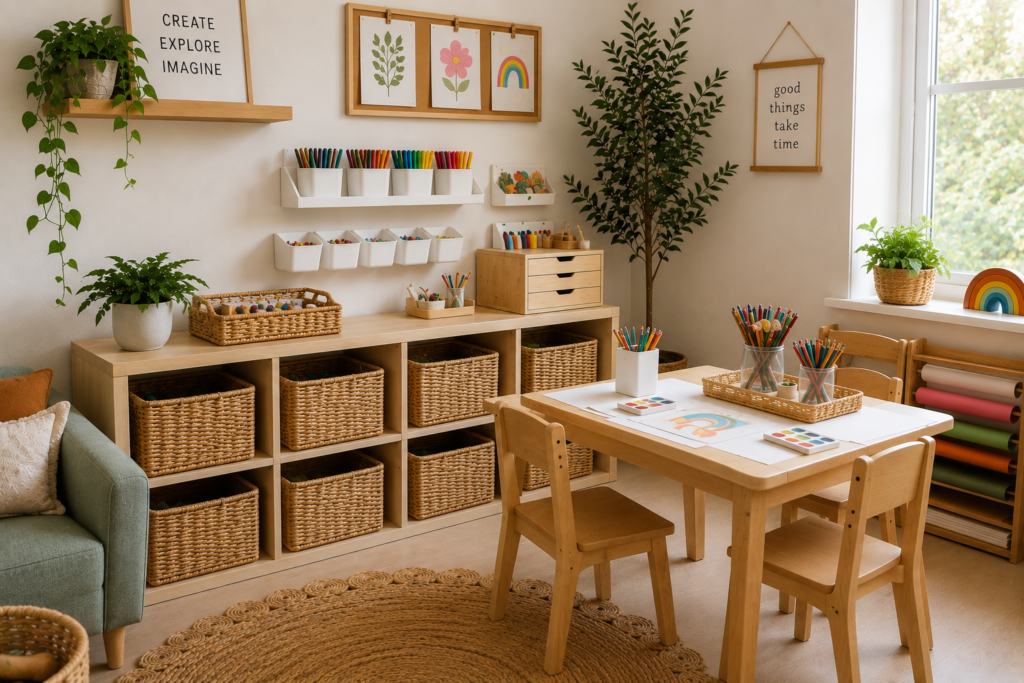
Create Quiet Activity Zones
Dividing the room into simple activity areas can help children focus more easily during play.
Playroom zone ideas include:
- A reading area
- A craft table
- A sensory play shelf
- A building toy area
- A pretend play corner
Even in smaller spaces, creating gentle structure can make a room feel much calmer.
Use Soft Lighting
Lighting completely changes how a room feels.
Harsh overhead lighting can make spaces feel busy and overstimulating.
Calming lighting ideas include:
- Warm lamps
- Fairy lights
- Salt lamps
- Natural daylight
- Soft wall sconces
Warm lighting creates a much cozier atmosphere for quiet play and slower evenings.
Include Sensory Play
Sensory activities are wonderful for encouraging calm, focused play.
You don’t need complicated setups to make sensory play part of your playroom.
Easy sensory play ideas:
- Rice bins
- Play dough trays
- Kinetic sand
- Nature sensory baskets
- Water play trays
Simple sensory activities often become favorite independent play options.

Display Toys Thoughtfully
How toys are displayed can completely change how a playroom feels.
Instead of overflowing toy bins, try displaying a smaller selection of toys neatly on shelves or in baskets.
This makes it easier for children to access activities independently while keeping the room visually calmer.
Focus on Real Life, Not Perfection
The calmest playrooms aren’t necessarily the most expensive or perfectly styled ones.
They’re spaces that feel comfortable, lived-in and easy for children to enjoy independently.
Simple playrooms filled with books, baskets cozy corners and open-ended toys often become the spaces where the best childhood memories are made.
You Might Also Like
- What to Do When Kids Are Bored at Home (111 Easy Ideas That Actually Work)
- Rainy Day Activities for Kids at Home (Simple & Screen-Free Ideas)
- Awesome Backyard Ideas for Kids: Easy & Budget-Friendly Outdoor Play Spaces