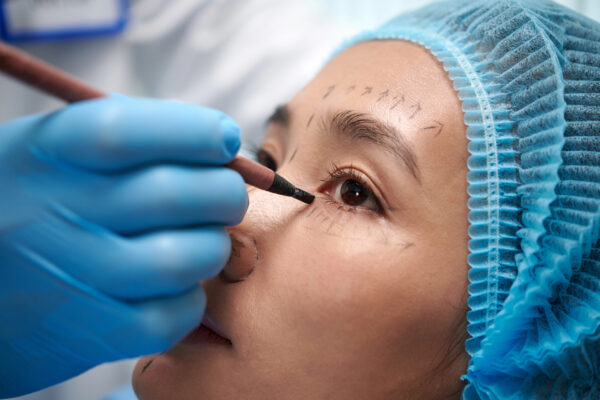
What if refreshing your appearance did not require surgery or a lengthy recovery period? As aesthetic medicine continues to advance, more people are discovering non-surgical options that help address visible signs of aging in subtle and effective ways. Facial aging often occurs gradually as the skin loses collagen, elasticity, and volume, leading to wrinkles, hollow areas, and reduced facial definition. Instead of turning to invasive procedures, many individuals now explore treatments that focus on restoring balance and structure to the face.
One of the most widely discussed options in cities like Nashville is dermal fillers. These treatments are designed to restore lost facial volume, soften wrinkles, and enhance natural contours without altering a person’s unique features. According to the American Society of Plastic Surgeons, more than 3.4 million soft tissue filler procedures were performed in the United States in 2023, highlighting the growing interest in minimally invasive cosmetic treatments.
Let’s delve into the details on how facial fillers support a balanced and youthful look.

What Are Facial Fillers?
Facial fillers, also known as dermal fillers, are injectable treatments used to restore facial volume, smooth wrinkles, and enhance contours in a subtle way. These minimally invasive treatments can refresh the appearance of the face without the need for surgery.
When injected beneath the skin, fillers replace lost volume, gently lift the surface, and reduce the appearance of wrinkles and folds. Treatments are typically tailored to each individual’s facial anatomy, helping maintain natural balance and proportions while addressing specific areas of concern.
Common areas for filler application include:
• Cheeks
• Lips
• Nasolabial folds (lines from the nose to the mouth)
• Marionette lines (lines extending from the corners of the mouth)
• Under-eye hollows
• Chin and jawline
How Facial Fillers Address Signs of Aging?
Dermal fillers help improve the appearance of aging skin by targeting several key structural changes.
Restoring Lost Facial Volume:
One of the earliest and most noticeable signs of aging is volume loss. Fillers restore fullness to areas such as the cheeks and temples, helping the face appear more youthful and balanced. Individuals seeking facial fillers in Nashville often choose these treatments to address age-related volume loss and achieve subtle, natural-looking results without surgery.
Treatment outcomes often depend on proper assessment of facial structure and aging patterns. This is why many patients choose experienced aesthetic clinics, including Sherman Aesthetic Center, where providers evaluate factors such as skin elasticity, bone structure, and existing volume before recommending treatment. A careful, individualized approach helps ensure fillers restore balance to the face while maintaining natural facial expressions.
Smoothing Wrinkles and Facial Folds:
As skin gradually loses collagen and elasticity, facial lines and folds become more noticeable, particularly around the nose and mouth. Dermal fillers work by adding gentle volume beneath these areas, helping soften the depth of wrinkles and restore smoother skin contours. Instead of changing facial features, the goal is often to reduce harsh lines so expressions appear more relaxed while the face maintains its natural character.
Enhancing Natural Facial Contours:
Over time, natural changes in bone structure, fat distribution, and skin elasticity can reduce definition in areas such as the jawline and chin. Dermal fillers are often used to restore subtle structure in these regions, helping rebalance facial proportions. When placed strategically, they can enhance contour and symmetry, making features appear more defined while preserving the face's natural shape.
Improving Skin Hydration:
Many dermal fillers contain hyaluronic acid, a substance naturally present in the body that attracts and retains moisture. When injected into targeted areas, it helps draw water into the skin, supporting improved hydration from within. This process can contribute to a smoother surface and a softer texture, allowing the skin to appear healthier and more refreshed without relying solely on topical products.
Types of Dermal Fillers Used in Aesthetic Treatments
Several types of dermal fillers are available, each designed to address specific cosmetic concerns.
• Hyaluronic Acid Fillers: These fillers are the most widely used because they provide natural-looking results and improve skin hydration. Hyaluronic acid fillers are commonly used for lips, cheeks, and facial folds.
• Calcium Hydroxylapatite Fillers: This filler is thicker and is often used for deeper wrinkles and facial contouring. It can also stimulate collagen production over time.
• Poly-L-Lactic Acid Fillers: These fillers encourage the body to gradually produce collagen. Instead of immediate volume, results develop progressively as the skin rebuilds its natural support structure.
What to Expect During a Facial Filler Treatment?
Although dermal filler procedures are relatively simple, they follow several important steps to ensure safe and effective results.
• Initial Consultation: The process begins with a consultation in which a trained professional evaluates facial structure, discusses aesthetic goals, and determines the most appropriate treatment plan.
• Personalized Treatment Planning: Each face is unique, so treatment plans are customized to address individual concerns and achieve balanced results.
• Injection Procedure: The injection typically takes 30-60 minutes. Many dermal fillers contain a mild anesthetic to improve comfort during treatment.
• Post-Treatment Care: Patients may experience mild swelling or redness after treatment, but these effects usually subside within a few days. Most people can return to normal activities soon after the procedure.
Benefits of Choosing Non-Surgical Facial Rejuvenation
Facial fillers offer several advantages compared with surgical cosmetic procedures.
• Minimal Downtime: Most patients can resume daily activities shortly after treatment, making fillers convenient for busy schedules.
• Natural-Looking Results: Fillers enhance facial features without dramatically changing appearance.
• Customizable Treatments: Because injections can be placed in specific areas, treatments can be tailored to each individual’s facial structure and goals.
• Temporary Yet Long-Lasting Improvements: Results can last from several months to more than a year depending on the filler used and the treatment area.
Conclusion
Facial fillers have become an important part of modern aesthetic medicine, offering a non-surgical option for individuals looking to restore lost facial volume and soften visible signs of aging. These injectable treatments can help smooth wrinkles, enhance facial contours, and improve overall facial balance. By addressing structural changes that occur over time, fillers allow practitioners to support subtle rejuvenation while preserving a person’s natural features. Many people choose these treatments because they typically involve minimal downtime and gradual, natural-looking results.