Vision plays a critical role in how children learn, play, and interact with the world around them. From recognizing faces to reading and writing, healthy eyesight supports nearly every stage of childhood development. Yet many vision problems in kids go unnoticed, especially in the early years when children may not realize their vision isn’t normal.
Parents often assume that vision issues will be obvious, but that’s not always the case. Some children adapt without complaint, while others may struggle silently in school or during activities. This is why families in busy communities like Queens, where children are constantly engaged in learning and social environments, benefit greatly from paying close attention to early vision care. Early eye screenings help identify concerns before they affect learning, confidence, or development. Understanding how these screenings work—and why they’re so important—can help parents take a proactive role in protecting their child’s vision.
What Are Early Eye Screenings for Kids?
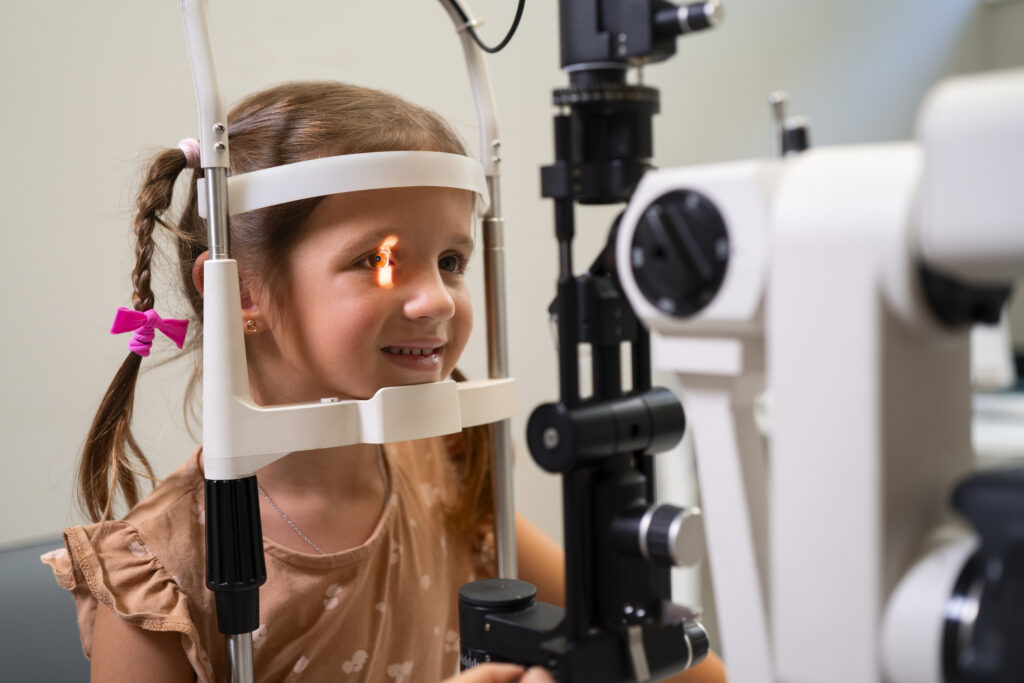
Early eye screenings are basic evaluations designed to identify potential vision or eye health issues in children. These screenings are not the same as comprehensive eye exams but serve as an important first step in detecting concerns that may require further evaluation.
Screenings may take place during pediatric checkups, school health programs, or early childhood assessments. They typically check visual acuity, eye alignment, and basic eye movement. While quick and non-invasive, these screenings can reveal early signs of vision problems that might otherwise go undetected.
Common Vision Problems Early Screenings Can Detect
Early eye screenings can help identify several common pediatric vision conditions, including nearsightedness, farsightedness, and astigmatism. These refractive errors can affect how clearly a child sees objects at various distances.
Screenings may also detect amblyopia (lazy eye), in which one eye does not develop proper vision, and strabismus, a condition involving misalignment of the eyes. Additionally, focusing and eye-tracking issues—important for reading and hand-eye coordination—may become apparent during early evaluations.
When to Seek Further Evaluation From a Specialist
If a screening indicates a concern—or if parents notice signs such as squinting, frequent headaches, eye rubbing, or difficulty focusing—it may be time for a comprehensive evaluation. A full exam provides a detailed assessment of eye health, visual development, and the coordination of the eyes.
In these cases, visiting a pediatric ophthalmologist in Queens can ensure that children receive care specifically tailored to their stage of visual development. At The Pediatric Eye Center, eye care is focused exclusively on infants, children, and adolescents, recognizing that young eyes require a very different approach than adult vision care. Comprehensive pediatric eye exams are designed to evaluate not only visual clarity but also eye alignment, eye health, and how the eyes work together as a child grows.
With experience in diagnosing and managing conditions such as amblyopia, strabismus, pediatric cataracts, and progressive myopia, specialized care allows for early, accurate diagnosis and individualized treatment plans. This targeted approach helps support healthy visual development and long-term vision outcomes during critical growth years.
The Impact of Early Detection on Learning and Development
Healthy vision is closely tied to academic performance and overall development. Children rely on visual input for reading, writing, problem-solving, and classroom engagement. When vision problems are identified early, treatment can begin at a stage when the visual system is still developing.
Early intervention can improve outcomes significantly, helping children build confidence, improve coordination, and perform better in school. Addressing vision concerns early also reduces the risk of long-term visual impairment.
Treatment Options for Pediatric Vision Problems
Treatment for pediatric vision problems varies depending on the specific diagnosis, the child’s age, and the timing of detection. Many children benefit from prescription glasses or contact lenses, which correct refractive errors such as nearsightedness, farsightedness, and astigmatism, allowing the eyes to focus clearly and learn effectively.
For conditions like amblyopia (often called “lazy eye”), treatment commonly includes patching therapy, in which the stronger eye is covered to encourage the weaker eye to strengthen and communicate more effectively with the brain. This may be combined with vision therapy, a structured program of exercises designed to improve eye coordination, focusing skills, and binocular vision.
Vision therapy and eye exercises may also be used to address other visual coordination problems, such as convergence insufficiency, where the eyes struggle to work together for tasks like reading or close work. These programs often include in-office and at-home activities tailored to the child’s needs.
Conclusion
Early eye screenings are a simple yet powerful way to protect your child’s vision and overall development. By identifying problems early and seeking appropriate care when needed, parents can help ensure their children see clearly, learn confidently, and thrive as they grow. Prioritizing eye health from an early age lays the foundation for a lifetime of healthy vision.