
When it comes to keeping your home comfortable year-round, few upgrades offer as much value as a properly installed thermostat. Whether you’re switching to a smart thermostat or simply replacing an old manual one, the way it’s installed and configured can make a significant difference in your energy bills. A thermostat isn’t just a control panel—it’s the brain of your heating and cooling system. If you want to achieve maximum heating and cooling savings, the installation process matters more than you might think.
Below, we’ll explore practical thermostat installation tips to help you get the most out of your HVAC system, improve efficiency, and save money—without compromising comfort.
1. Choose the Right Thermostat for Your Home
Before you even begin the installation, it’s essential to select the right type of thermostat. There are three main types:
• Manual thermostats – These are basic and affordable but require you to adjust temperatures yourself.
• Programmable thermostats – You can set schedules based on when you’re home or away, which saves energy automatically.
• Smart thermostats – These learn your habits, adjust temperatures intelligently, and can be controlled from your phone.
For the best savings, a smart thermostat is worth the investment. According to the U.S. Department of Energy, a properly programmed smart thermostat can save homeowners up to 10% annually on heating and cooling costs.
2. Install the Thermostat in the Right Location
Location plays a huge role in thermostat performance. Many people unknowingly place their thermostat in areas that cause false readings and unnecessary heating or cooling cycles. To ensure accurate temperature readings and energy efficiency, follow these placement tips:
• Avoid direct sunlight: Sunlight can trick the thermostat into thinking the room is warmer than it actually is.
• Stay away from drafts or vents: Placing your thermostat near air vents, windows, or doors can cause it to misread the room’s temperature.
• Choose an interior wall: Interior walls reflect the average temperature of your home better than exterior ones.
• Keep it at eye level: Mounting it about 5 feet above the floor helps it sense the most accurate air temperature.
Correct placement ensures that your thermostat communicates properly with your HVAC system, resulting in more consistent temperatures and lower energy usage.
3. Turn Off Power Before Installing
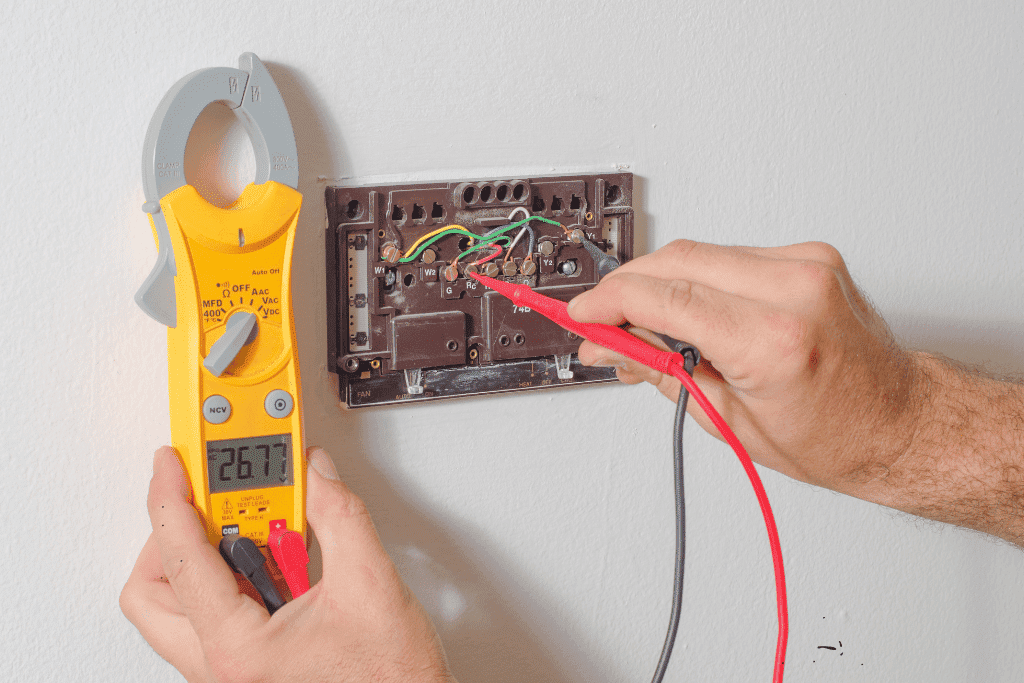
Before you start the installation process, always turn off the power to your HVAC system at the circuit breaker. This is not only a safety precaution but also protects your thermostat and HVAC components from electrical damage. Once power is off, carefully remove your old thermostat and label each wire before disconnecting it.
Even if you’re comfortable with basic wiring, take your time. A single misconnection can lead to performance issues or even system failure.
4. Use the Correct Wiring Configuration
Every thermostat is different, and so is every HVAC system. The most common mistake during installation is incorrect wiring. Follow the manufacturer’s guide carefully, and double-check that the wires are connected to the correct terminals.
If you’re installing a smart thermostat, you’ll likely need a C-wire (common wire) to provide continuous power. Older systems may not have this wire, so you might need an adapter or a professional technician to install one.
5. Connect to Wi-Fi and Update Software
For smart thermostats, Wi-Fi connectivity unlocks a world of savings and convenience. Once your thermostat is installed, connect it to your home’s Wi-Fi and download any firmware updates. Updated software ensures optimal performance, bug fixes, and access to new energy-saving features.
Many smart thermostats also integrate with home assistants like Alexa, Google Home, or Apple HomeKit. This makes it easy to control your home’s temperature with simple voice commands or automate adjustments based on your daily routine.
6. Optimize Your Settings for Energy Efficiency
Once your thermostat is up and running, take the time to fine-tune your temperature settings. For example:
• In winter, set your thermostat to 68°F (20°C) while you’re awake and lower it while you’re asleep or away.
• In summer, keep it at 78°F (26°C) when you’re home and slightly higher when you’re out.
If you have a programmable or smart thermostat, use the scheduling feature to automatically adjust temperatures during different times of the day. These small tweaks can lead to noticeable savings on your monthly energy bill.
7. Leverage Advanced Smart Features
Modern thermostats offer features that go beyond simple temperature control. Take advantage of them! Many models come with:
• Geofencing – Automatically adjusts your HVAC when you leave or return home.
• Learning algorithms – Understands your preferences and creates custom schedules.
• Energy reports – Provides insights into your usage and savings opportunities.
Exploring these options can help you reduce wasteful energy consumption while maintaining the perfect home environment.
8. Perform Routine Maintenance
Even the best thermostat can’t perform miracles if your HVAC system isn’t maintained. Clean or replace your air filters regularly, schedule seasonal inspections, and make sure vents aren’t blocked. A well-maintained system allows your thermostat to work efficiently, reducing energy waste and improving comfort.
9. Consider Professional Installation
While installing a thermostat is a manageable DIY project for some homeowners, hiring a licensed HVAC technician can be a wise choice—especially for complex systems or multi-zone setups. A professional will ensure your thermostat is wired correctly, calibrated accurately, and configured for peak performance.
Final Thoughts
Installing a thermostat might seem like a small home improvement task, but it can have a big impact on your comfort and energy bills. From selecting the right model to positioning it correctly and fine-tuning your settings, every detail matters. When done right, your thermostat becomes more than just a wall device—it becomes your ally in achieving energy efficiency and year-round comfort.
If saving money and maintaining ideal temperatures is your goal, follow these thermostat installation tips—and start feeling the difference on your next utility bill.