
A well-organized home is more than a display of tidiness; it brings calm, clarity, and a sense of balance to daily life. Many homeowners strive to achieve order but often find themselves surrounded by clutter or struggling to find storage systems that truly work. Creating organized rooms begins with understanding how space is used and how it can support a smoother routine. From closets and pantries to living rooms and home offices, every corner has the potential to become both practical and visually pleasing. With thoughtful planning, smart storage choices, and a consistent approach to maintenance, any household can transition into a harmonious environment where everything has its place.

Creating Closet Systems That Work
Closets are often the starting point for a more organized home since they tend to collect everything from clothes to seasonal items and forgotten accessories. The process begins with clearing out what no longer serves a purpose, allowing space for what truly matters. Efficient closet organization goes beyond hanging rods and shelves; it involves understanding how you use your belongings and designing a layout that reflects that rhythm. One helpful approach is exploring craft closet organization ideas, which provide clever methods for maximizing small areas, labeling storage containers, and creating visual order that makes items easy to find. These same techniques can be adapted for any type of closet, from wardrobes to utility spaces. By combining vertical shelving, bins, and consistent labeling, a homeowner can create a system that feels effortless to maintain and pleasant to use.
Making Living Rooms Functional and Inviting
The living room serves as the heart of the home, where family members gather to relax, share time, and entertain guests. Keeping this space organized means balancing comfort with thoughtful structure. Start by considering how the room is used most often - whether it is for watching movies, hosting gatherings, reading, or simply unwinding after a long day. Storage solutions should be chosen with these functions in mind. Low-profile cabinets, multi-purpose ottomans with hidden compartments, and wall-mounted shelving can provide storage without overwhelming the space.
Open shelving can work well for display items, while baskets or decorative boxes conceal everyday clutter such as remote controls, chargers, blankets, and magazines. Arranging furniture in a way that encourages conversation and maintains clear walkways makes the room feel more inviting and functional. Choosing a cohesive color palette and limiting décor to meaningful pieces will also help the space feel calmer and less chaotic. When an organization is paired with intentional design, the living room becomes a place that supports both relaxation and connection, allowing homeowners and guests to enjoy time together without distractions.
Streamlining Kitchen and Pantry Spaces
The kitchen is one of the most frequently used rooms, which makes organization a daily priority. Every drawer and cabinet should serve a clear purpose. Group similar items together; baking tools in one area, cooking utensils in another, and dry goods arranged by category. Transparent containers make it easy to see what is available, preventing overbuying or food waste. Labeling shelves and jars gives the space an orderly feel and helps everyone in the household maintain consistency. The pantry, often overlooked, benefits from clear zones for snacks, grains, canned goods, and condiments. Rotating older items to the front keeps food fresh and encourages mindful use of supplies. An organized kitchen not only simplifies meal preparation but also brings a sense of satisfaction to everyday tasks.
Designing Bedrooms That Promote Calm
Bedrooms should invite rest and rejuvenation, yet they often become storage zones for clothes, books, electronics, and miscellaneous items that have no other place in the home. Transforming a bedroom into a tranquil retreat begins with reducing visual clutter and creating a sense of order that promotes relaxation. Start by evaluating what truly belongs in the space and removing anything unnecessary. Use bedside tables with drawers to store nighttime essentials, and consider under-bed storage bins for items that are seldom used.
Small dressers or storage benches can help conceal belongings while adding style to the room. Keeping surfaces clear, such as nightstands and dressers, helps the room feel open and peaceful. Consistent folding methods and matching hangers in the wardrobe create a unified, calm aesthetic that makes the space feel intentional. For those seeking to elevate their wardrobe's appearance and preserve their garments, investing in high-quality Wooden Hangers can significantly contribute to this sophisticated and organized look, ensuring clothes maintain their shape and the closet remains visually appealing. Soft lighting, neutral or soothing color palettes, and breathable fabrics can further support a restful atmosphere, while personal touches like framed photographs or minimal décor can make the room feel welcoming without adding clutter.
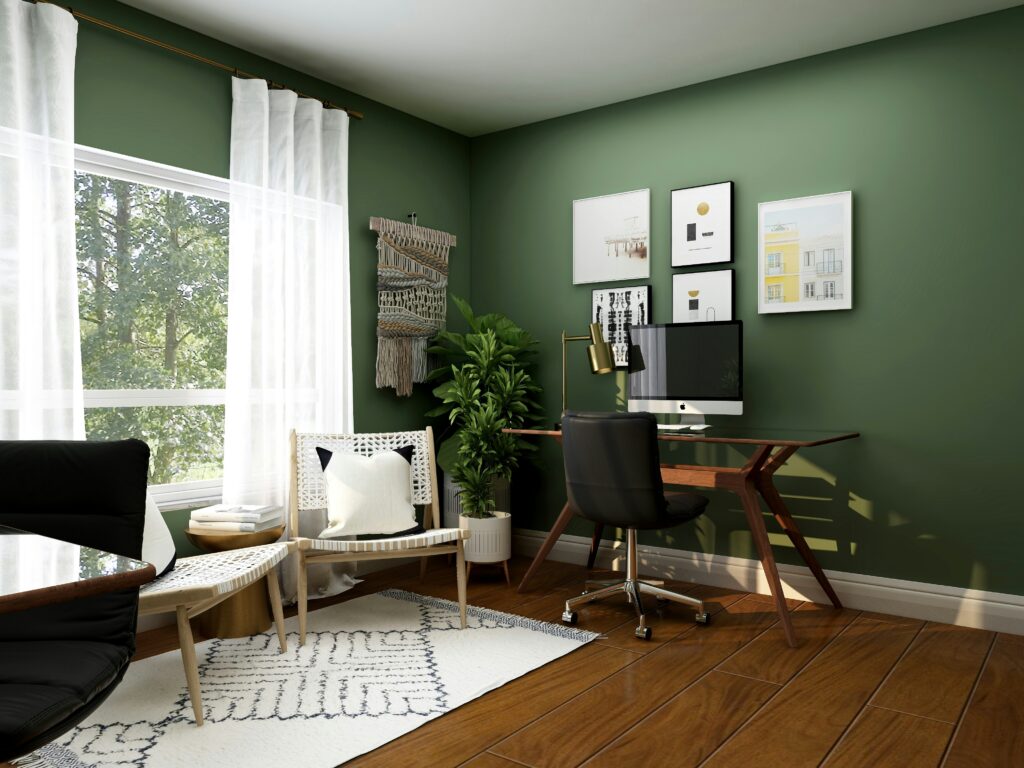
Organizing Home Offices for Productivity
A well-structured home office makes working from home far more efficient. Cluttered desks or scattered documents can interrupt concentration and reduce output. Begin by identifying what items are used daily and which can be stored elsewhere. Cables can be hidden using clips or sleeves, while drawer organizers prevent small supplies from turning into a tangled mess. Vertical file systems or labelled binders help manage paperwork, and digital tools can replace many physical items, reducing overall clutter. Plants, proper lighting, and comfortable seating all contribute to a pleasant atmosphere that encourages focus. When a workspace is orderly, it becomes easier to transition in and out of work mode, maintaining both productivity and mental balance.
Maintaining Long-Term Organization Habits
Creating organized rooms is only part of the process; maintaining them requires consistent effort. Setting aside a few minutes each day to put items back in their place prevents clutter from returning. Regular decluttering sessions every few months keep storage systems functional and relevant. Seasonal changes, family growth, or lifestyle shifts may require adjustments in how space is used. Clear labeling and logical storage placement encourage everyone in the home to participate in upkeep. It helps to think of organization as an ongoing relationship with the home rather than a one-time project. Over time, these small habits build a lasting sense of order and satisfaction.
A home that supports both comfort and clarity does not happen by accident. It grows from intentional choices, thoughtful systems, and a willingness to adapt as life evolves. From closets to kitchens and bedrooms to home offices, every organized room contributes to a peaceful and productive household. By approaching organization with patience and practicality, homeowners can create spaces that not only look tidy but also function seamlessly. The rewards extend beyond the physical appearance of the home; they reach into daily routines, personal well-being, and the overall experience of living in a place that truly feels harmonious.