
Building a functional wardrobe for boys doesn't require suggestions from a fashion expert. All it takes is some thought and proper planning. The idea is to focus on simplicity and comfort. There should also be an equal emphasis on utility.
Here are a few tips to help you build a functional wardrobe for your boys.
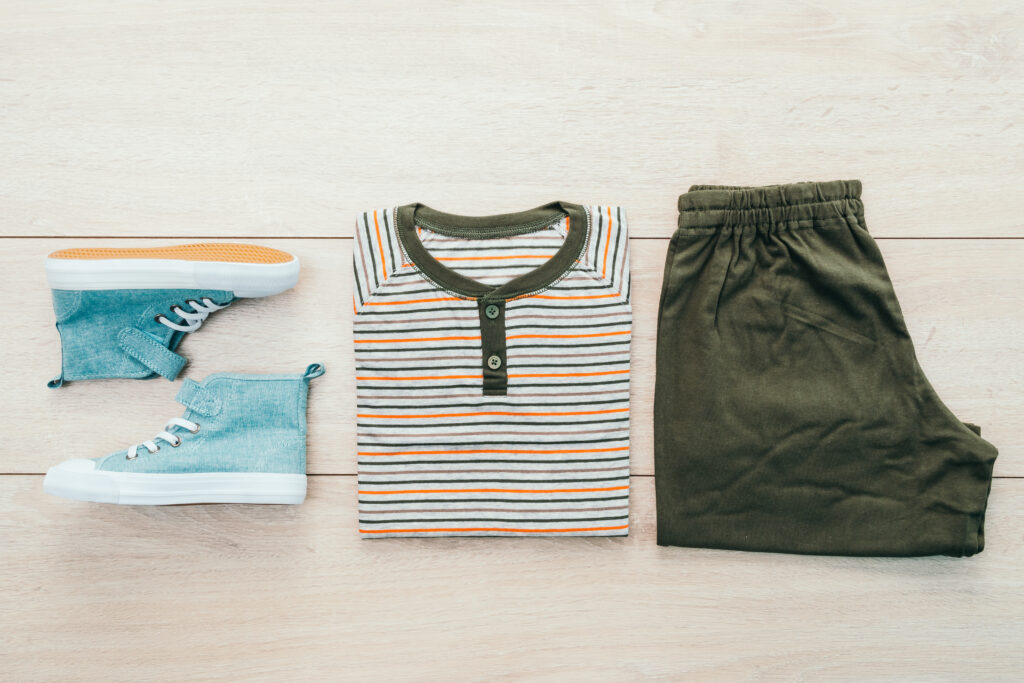
Keep It Simple
Begin small. Boys do not need overpacked closets. You only need a limited number of boys' clothes. Thereafter, mix and match these pieces. It will give you adequate variations for family outings, school, and play.
Pick 12-14 essential boys’ clothing items for every season.
It should cover some:
• bottoms
• tops
• layering options
Consider choosing versatile pieces. There's no need to fill the drawer with too many pieces.
Choose a Colour Story
Pick some coordinating shades. These will go together.
As a rule of thumb:
• Have some neutrals, as they are excellent bases
• Include two to three accent colours to showcase your kid’s personality
These steps make it easier to mix and match different pieces.
Fit and Comfort
Comfort is everything, especially for active kids.
To keep your little boy feeling relaxed and comfortable:
• Select boys' clothes in breathable fabrics like cotton
• Look for trousers with elastic waistbands
• Choose flexible cuts
• Opt for clothes sans itchy tags
These measures ensure that your kids can have fun while still being at ease.
If your kid avoids certain fits, such as tight collars or baggy trousers, do not buy them again. Try to get five well-fitted outfits over ten uncomfortable ones.
Think Layers and Versatility
Layering is very important. It will play a significant role in the transition to the new weather.
For light cold, have multiple layering options, such as:
• light jackets
• zip-ups
• sweatshirts
• short-sleeve tops
You may make your boy wear them as is, or layer them.
For winters, include:
• warm joggers
• thermal tees
• hats
• gloves
• water-resistant coat
For the summers have:
• a sunhat
• shorts
• trade joggers
• breathable fabrics
Include Everyday Essentials
Here's a guide on essentials:
Tops
• Four to five short-sleeve shirts
• Four long-sleeved tops or tees
• One or two sweatshirts
• Zip-up hoodie or light jacket
Bottoms
• Four to five comfy pants
• Two pairs of jeans or neutral trousers
Extras
• Seven pairs of underwear
• Seven pairs of socks
• Sneakers and one formal pair of shoes
• Seasonal extras like raincoats or sandals
Shop Smart
For this:
• Stick to one or two stores or styles at a time. It will help you pick the right sizes.
• Consider buying all at once. It ensures the entire wardrobe is in sync.
• Make a shopping list to avoid impulse buys
• Pick quality second-hand fits or hand-me-downs if available
Regardless of what you pick, ensure it fits well.
Make It Last
Buy fewer boys' clothes, but pick good quality. The better a garment is made, the longer it will stay with you. Buy an outfit that can withstand crawling through mud and washing away spilled juice in a school washing cup. Buying better pieces results in less waste and fewer replacements throughout the season.
Teach Conscious Choices
Have your son help with the choice. Allow him to choose boys' clothes with colors or patterns he likes from the palette. If kids make their own choices, they are more likely to wear and care for those clothes.
A tidy, thoughtful wardrobe also helps foster a kid’s independent dressing ability. It also helps them understand what they like.
Rotate According to the Seasons
At the start of every season, take a few minutes to determine what still fits, has become worn out, or is no longer needed. Make replacements to maintain a lean wardrobe, ready for the upcoming months. To avoid clutter, stay organized by storing your belongings by season.
Closing Thoughts
A boy’s wardrobe does not have to be big or fancy. It is supposed to be functional. Keep it simple, comfortable, and likable.