
Starting semaglutide treatment can be an important step for people wanting to manage their weight and improve their health. Building daily habits that support this journey helps make sure the medication is as effective as possible. The right habits can make a real difference in weight loss with compounded semaglutide injection.
Many find that adding small, positive changes to their routine leads to better and more lasting results. Learning what to focus on while using semaglutide is key for steady progress, and for those interested in starting this journey, it is simple to buy semaglutide online for weight loss with guidance from health professionals.
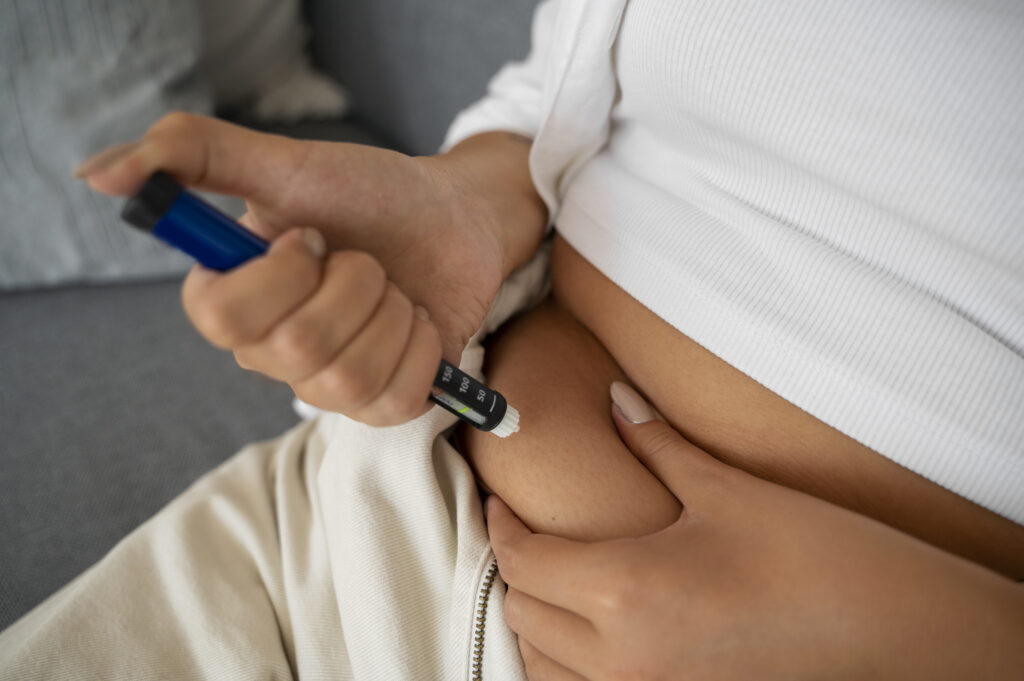
1. Stick to your prescribed maintenance dose without skipping to maintain steady results.
People taking semaglutide often reach a maintenance dose after slowly increasing their medication. This maintenance dose is set by a healthcare provider to help balance weight and blood sugar in the long run.
Following the exact routine for taking semaglutide each week helps the medicine work as planned. Skipping or delaying doses can cause results to become less steady and may lead to changes in progress.
Building a habit by linking the dose to something done regularly—like a certain meal or time of day—can make it easier to remember. Setting reminders on a phone or calendar may also help.
If a dose is missed, it is usually okay if taken soon after, but regular skipping can affect results. Staying consistent with the prescribed amount supports better stability and outcomes over time.
2. Link your semaglutide dose to daily routines like brushing teeth or mealtime to build consistency
Taking semaglutide at the same time every day or week helps build a steady habit. One way to remember is by connecting the dose with a routine people already do, like brushing their teeth or eating a meal.
By pairing semaglutide with something they never skip, users are less likely to forget a dose. It becomes as normal as any other daily activity.
Some choose to take their medicine right after brushing in the morning or at the same time each night. Others link it to a meal that fits their schedule. Setting a phone alarm can help if routines change sometimes.
Linking medicine to regular activities also makes tracking easier. It takes the guesswork out of thinking about the last dose and helps keep us on track. This steady routine supports better results over time.
3. Gradually increase physical activity, starting with gentle exercises as your body adjusts.
Starting with gentle movement helps the body adjust safely to a new routine, especially when using semaglutide. Walking, stretching, or beginner yoga are easy ways to ease into being active. These activities are less likely to cause soreness or strain.
Building up slowly allows muscles and joints to get used to more movement. Short walks a few times each week are a good place to begin. As the body feels stronger, adding a few more minutes or another light activity is a smart next step.
Listening to the body is important. If something feels too hard, it's helpful to slow down or take a break. Staying consistent by moving a little each day will build strength and support better results over time.
4. Stay well-hydrated to support your metabolism and medication effectiveness.
Staying hydrated can help the body work smoothly, especially for those using semaglutide. Drinking water supports digestion and helps regulate blood sugar levels. It also may reduce the chance of feeling dizzy or tired, which some people experience on this medication.
Water helps the kidneys and liver process the medication better. This can help avoid dehydration, which might slow down the body's metabolism or cause side effects. Aim to drink water throughout the day, rather than waiting until feeling thirsty.
Eating foods with high water content, such as fruits and vegetables, can help, too. Carrying a water bottle as a reminder can keep intake regular. Hydration is a simple step that fits well into any daily routine and can help make semaglutide treatment more comfortable.
5. Monitor blood sugar levels regularly to track progress and avoid complications
Anyone using semaglutide should check their blood sugar often. Regular checks can help see how their body reacts to the medication and other changes in their routine. If numbers are off, users can address the issue quickly with support from their healthcare team.
Common ways to test at home include using a blood glucose meter or a continuous glucose monitor. Recording results in a notebook or an app helps find patterns over time. This makes it easier for users and their doctors to spot trends and make needed adjustments.
Daily monitoring helps prevent both low and high readings. Knowing blood sugar patterns also allows users to notice changes caused by stress, sickness, or new habits. It keeps the user more aware of what works best for their health.
Tracking and adjusting as needed lowers the chance of short-term problems and long-term issues. Monitoring makes each step of the journey clearer and smoother.
6. Incorporate mindful eating habits focusing on portion control and nutrient-dense foods.
Mindful eating can help people on semaglutide pay better attention to when they feel full and what types of foods they choose. It involves slowing down during meals, noticing hunger and fullness cues, and eating with fewer distractions. This habit makes it easier to stop eating when satisfied rather than simply finishing everything on the plate.
Portion control is a useful tool when taking semaglutide because it helps manage calorie intake without feeling deprived. Using smaller plates, serving food in appropriate portions, and putting away extra food before sitting down can support better control over how much is eaten.
Choosing nutrient-dense foods is another simple but important habit. These foods offer more vitamins, minerals, and fiber for fewer calories. Leafy greens, lean proteins, whole grains, and fresh fruits help make meals more balanced and satisfying. Reaching for these types of foods can support health and weight goals while taking semaglutide.
Conclusion
Building good habits can help people using semaglutide get better results with their treatment. Focusing on small changes in daily routine—like eating balanced meals, drinking enough water, and staying active—supports weight loss and helps manage side effects.
Getting enough sleep and managing stress make it easier to stick to healthy choices. Tracking progress and staying consistent give the best results in the long run.
Staying patient and making steady changes can lead to greater success with semaglutide.