
So, you bought a fixer-upper—now what?
If you’re feeling a little overwhelmed, you’re not alone. A house full of potential also comes with a long to-do list, and it’s not always easy to figure out where to begin. Maybe the walls need paint, the floors are scratched, or there’s a weird smell coming from the basement. That’s all normal when you’re stepping into a home that needs some love.
In a place like Cincinnati, where many older homes are full of charm, it’s easy to see why fixer-uppers are popular. You get character, history, and often a better price. But turning that house into a comfortable, liveable space takes planning. This guide will walk you through the first steps so that you can tackle your renovation with a clear head—and maybe even enjoy the process.
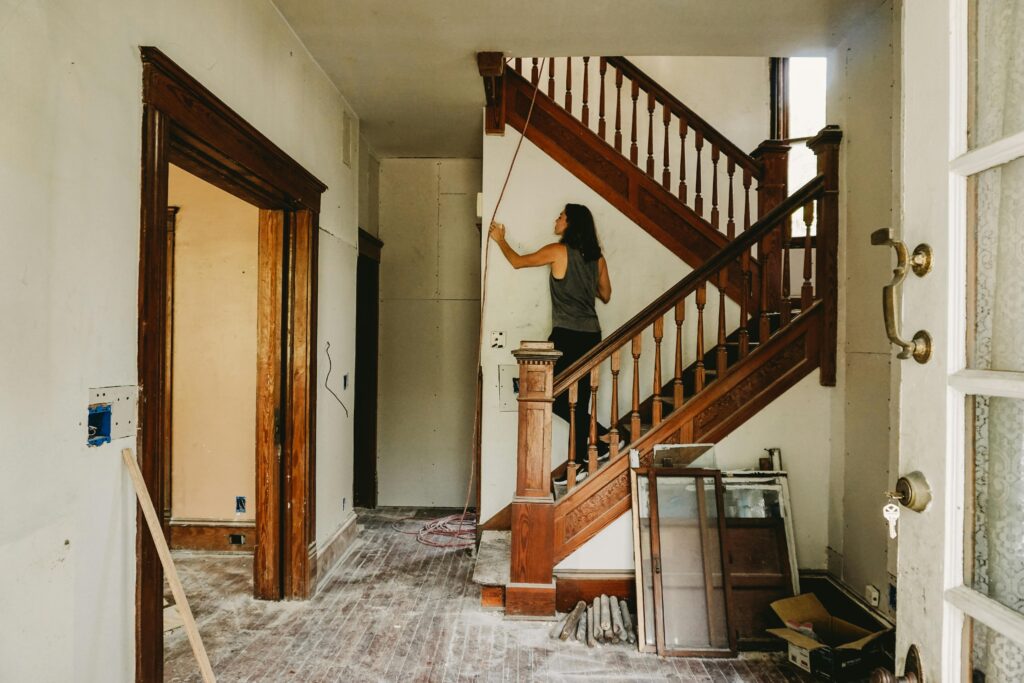
Secure the Basics Before Anything Else
Before you hang a single picture or pick a paint color, focus on the important stuff. Safety and function always come first.
That means inspecting your plumbing, electrical systems, HVAC, and roof. These are the kinds of things that, if ignored, can lead to big problems fast. A leaky pipe behind the wall or outdated wiring isn’t just inconvenient—it can be dangerous.
If you’re lucky, the previous owner already handled some of the heavy lifting. But more often than not, fixer-uppers need some updates in these areas. Bring in licensed pros to look things over and fix what needs fixing. It’s money well spent.
This is also the point where moving logistics matter. If you’re relocating from another part of town or out of state, working with a trusted Cincinnati moving company can make your life a whole lot easier. They can help move your belongings safely while you focus on inspections and repairs. Many also offer temporary storage if your new place isn’t quite ready for a full move-in. It’s one less thing for you to worry about during an already busy time.
Take a Walkthrough and Create a Room-by-Room Priority List
Once the essentials are handled, it’s time to figure out where to start inside the house. A walkthrough can help you see the space with fresh eyes.
Take a notebook—or your phone—and go room by room. Make notes about what each space needs. Is the kitchen usable? Does the bathroom need a full remodel or just new fixtures? Is the living room dated but functional?
It’s easy to want to do everything at once, but that’s not realistic for most people. Focus on the rooms you’ll use every day—bathrooms, bedrooms, the kitchen. You’ll feel more settled when those areas work for your daily needs. Save less urgent projects for later.
Tackle Anything That Could Get Worse Over Time
You don’t want to ignore small problems that could turn into big ones. Some things in a fixer-upper can wait, but others need your attention right away.
Look for signs of moisture or water damage. Mold can grow fast, especially in basements and bathrooms. Check for cracks in the foundation, pests in the attic, or leaks under the sink. These issues often hide until they’re serious—and expensive.
Hire inspectors or specialists if anything looks questionable. It might cost a bit upfront, but it could save you thousands later. Fixing a small leak now is better than replacing drywall and flooring after it spreads.
Paint, Patch, and Prep the Walls
With the major systems secured and the urgent problems handled, you can finally move on to the fun stuff—or at least the satisfying stuff.
Start with the walls. Patching holes, removing wallpaper, and applying a fresh coat of paint will make a huge difference. It’s one of the easiest ways to make a home feel cleaner and more like your own.
Choose light, neutral colours at first. They open up the space and make it feel brighter. You can always add bold accents later. Just make sure your walls are clean and dry before painting, especially if you’ve had any recent repairs done.
And here’s a tip: it’s much easier to paint before you install new floors or move furniture.
Focus on Flooring Before You Furnish
Old carpets, scratched wood, or outdated tile can make even the nicest room feel worn down. If you have the budget, replacing or refinishing the floors early on is a smart move.
There are a lot of affordable options today. Laminate and luxury vinyl planks look great and hold up well over time. If you have original hardwood floors, sanding and staining them might be all you need.
Try to handle flooring before you start arranging furniture. It’s faster, easier, and less stressful when you’re not trying to move things around. If the floors need serious repairs, you might need help from a contractor to make sure everything’s level and safe.
Keep One Room Liveable
Living in a construction zone gets old fast. That’s why it helps to fix up one room early on—just one that you can use as a clean, functional space.
It might be a bedroom or a small den. Anywhere you can escape the dust and chaos for a little while. Even if the rest of the house is a mess, this one area will help you stay grounded.
Keep it simple. A bed, a chair, some lighting, and maybe a small table. You don’t need much, but having one clean, quiet place can make all the difference when you’re deep into renovations.
Fixing up a home takes time. You don’t have to do it all in a week—or even a month. Start with the essentials. Focus on safety first, then comfort. Make your list, check things off one by one, and celebrate each small win.
In the end, every choice you make brings your home closer to what you want it to be. It might not happen overnight, but with patience and a plan, you’ll get there.
And once you do, it’ll be worth every bit of effort.