Fostering children can be very rewarding but it also brings major life changes for your whole household. Getting your home and family ready before welcoming a foster child can make the transition significantly smoother. Here are some top preparation tips to make sure your home and family are ready for a foster child.

Safety-Proof and Assess Your Physical Space
Becoming a foster carer means ensuring your home meets health and safety requirements. Schedule a home visit with your agency to identify any issues. Consider things like:
• Safe storage of alcohol, medications, cleaning products
• Risks like steep stairs, uncovered electrical sockets
• Security including window and door locks, outdoor lighting
Adapt the rooms if needed so your foster children have adequate personal space – remember, a foster child must have their own room; they can’t share with another child in the family. Discuss sleeping arrangements with your agency and prepare bedding and storage. Remove overly precious possessions that would be upsetting if damaged.
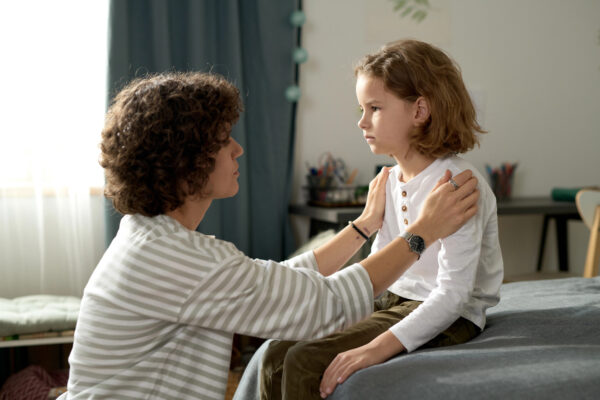
Hold Sensitive Family Conversations
Frank and caring talks with partners, children and other family members sets vital foundations. Explain the realities of fostering sensitively - how rewarding it can be. It’s important that all family members are supportive.
Discuss potential impacts open and honestly. Decide on shared household ground rules like monitoring screen time and discipline approaches. This upfront alignment secures essential ongoing family support.
Prepare Yourself and Your Household
Alongside home adaptations and conversations, make practical preparations:
Kitchen contents - check you have appropriate foods and cups/plates for different ages. Don’t over-shop yet as you’ll only know a child’s needs once placed.
Finances - understand additional costs like transportation and childcare. Budget realistically for a foster child's expenses compared to your income. Consider financial assistance available.
Self-care toolkit - foster parenting can take an emotional toll. Have a self-care plan involving things like exercise, mindfulness and your regular wellbeing toolkit. This sustains you.
Clothing – Ensure you have a selection of clothes for the right ages, such as PJs and underwear. Foster children may not have anything with them when they arrive.
Read Up and Ask for Support
Along with official training programmes, immerse yourself in foster parenting books, articles, blogs and support groups. This shares invaluable lived experience on managing situations that may arise.
Discuss stress points and scenarios with current foster parent contacts for their insights. Have a pool of family, friends and babysitters willing to assist when needed. Remember that no good foster carer journeys alone - utilise the resources around you.
Prepare At Your Own Pace
Don’t panic buy mountains of toys, clothes and equipment. Avoid overdoing pre-placement purchases and adaptations initially. Needs vary child to child, and many supplies can be acquired quickly after they come to stay with you if gaps become apparent. Talk to your social worker if you’re not sure what to get in advance.
Wait until you know the age, interests and personal needs of the child placed with you before going all out shopping. Most importantly, give yourself plenty of time to process each preparation step rather than rushing. This ensures the foundations are laid in your home and family when the time is right.