
In a fast-paced, screen-filled world, encouraging children to slow down, reflect and express themselves can be incredibly valuable. Journaling is a simple yet powerful activity that supports emotional wellbeing, boosts literacy skills, and nurtures creativity. Whether it’s a private diary, a gratitude journal, or a drawing and writing combo, journaling offers a wide range of benefits for children of all ages. Below are some of the benefits of journaling for children, inspired by the teachings of this girl’s school in Surrey.
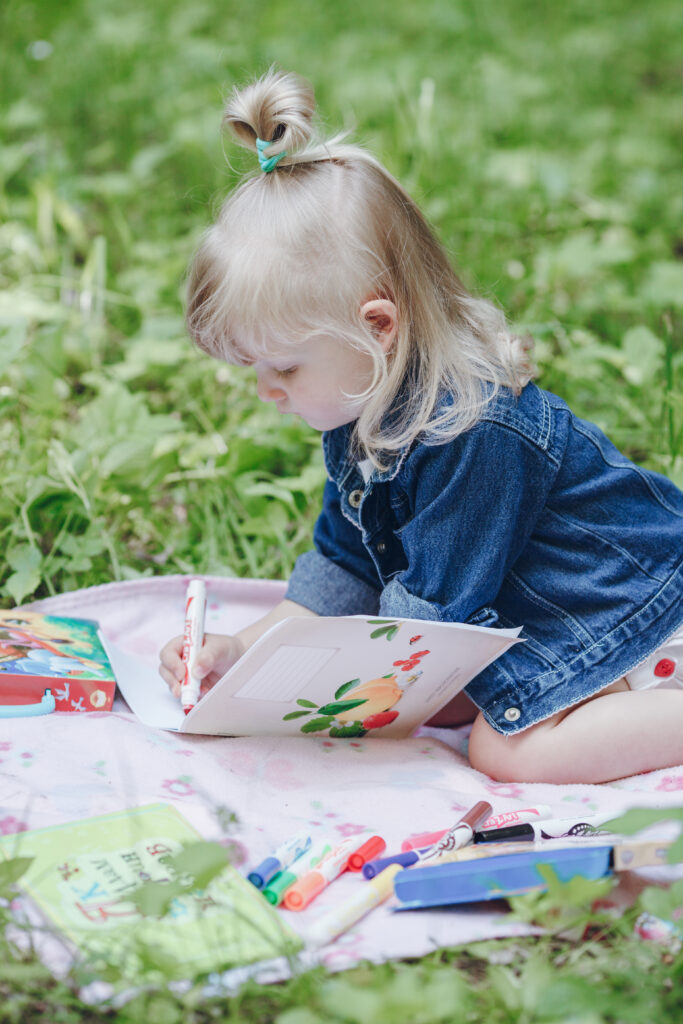
Supports Emotional Expression
Children don’t always have the words to express how they’re feeling, especially when emotions are big or confusing. Journaling gives them a safe space to explore and process their thoughts. Writing about their day, drawing how they feel, or even listing things that made them happy can help children better understand their emotions and build self-awareness.
This habit can be particularly helpful during times of change or challenge – such as starting a new school or experiencing friendship issues. When children learn to reflect on their emotions through journaling, it can lead to greater emotional resilience over time.
Encourages Creativity and Imagination
Journaling isn’t just about recording facts – it’s a chance for children to let their imaginations run wild. From storytelling to doodles and mind maps, a journal can become a personal creative space. Some children may enjoy inventing characters or writing about imaginary worlds, while others might prefer designing comics or recording dreams.
This type of free expression fuels creative thinking, which supports problem-solving and confidence in other areas of learning.
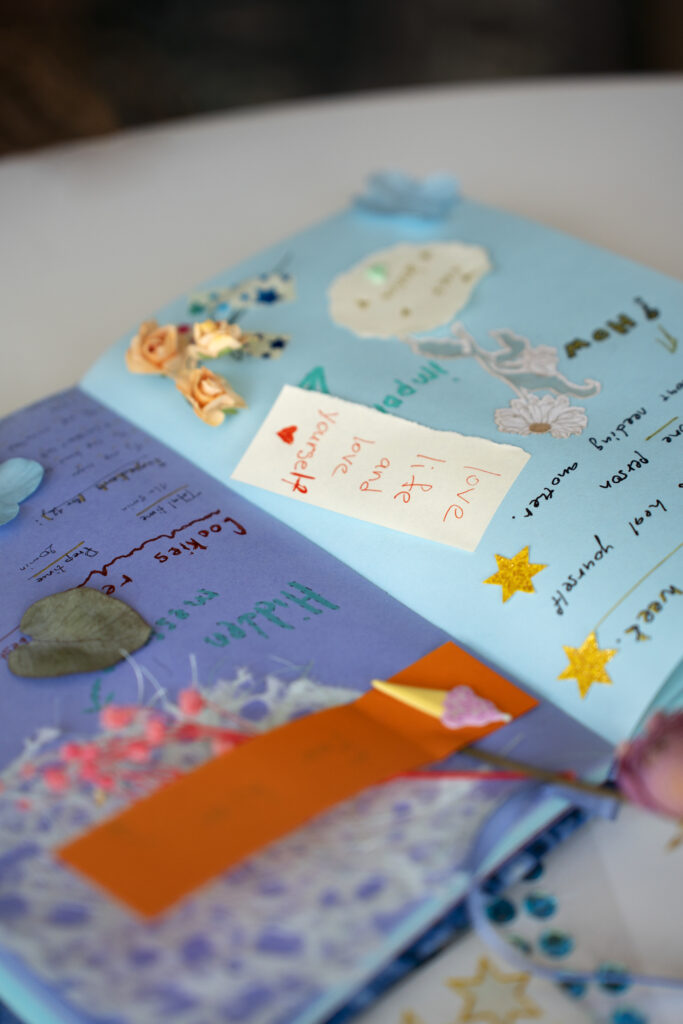
Boosts Literacy and Communication Skills
Regular writing practice through journaling helps develop key literacy skills. As children write about their experiences or express ideas, they naturally build vocabulary, improve sentence structure, and enhance their spelling and grammar. Because the writing is personal and meaningful to them, they are more likely to engage with it than with more structured school-based writing tasks.
It also gives them practice in organising their thoughts clearly – a skill that’s important not just in writing, but in speaking and reasoning too.
Builds Routine and Reflection
Introducing journaling as part of a daily or weekly routine encourages reflection. Taking a few minutes at the end of the day to write or draw can help children unwind and mentally ‘close the day’. This simple ritual teaches mindfulness, allowing them to be present and thoughtful about their experiences.
Over time, reading back through old entries can also show them how much they’ve grown, helping build a sense of pride and self-awareness.
Promotes Mental Wellbeing
Journaling has long been associated with improved mental health in adults, and the same is true for children. By expressing thoughts and emotions, children can reduce stress and anxiety. A journal can act as a private friend or sounding board – especially useful for children who may not feel comfortable sharing their feelings out loud.
Gratitude journaling in particular – noting down things they’re thankful for – can help shift focus towards the positive and encourage a healthy mindset.
Journaling is a low-cost, flexible, and enjoyable activity that offers a wide array of benefits for children. Whether used at home or introduced in school settings, it’s a habit that can nurture emotional, creative and academic development – one page at a time.