For many years, breast implants were regarded as the first choice for improving looks and confidence. But lately, more women are opting to follow a different route—one that calls for complete implant removal. This change is about personal comfort, health, and feeling more in sync with one's body, not only about trends. The choice to take out implants is growing more frequent, whether for physical pain, lifestyle changes, or a wish for a more natural appearance. Don't trust it?
Take it easy! This article will explain the motivations behind this rising option, what the procedure entails, and how women are redefining beauty on their terms, without implants. It's a tale of transformation, confidence, and self-discovery.
Reasons Some Women Decide to Take Out Their Implants
Women remove their breast implants for various reasons—often personal, sometimes physical, and usually a combination of both. Among the most frequent are these:
Physical Pain
Over time, implants can begin to feel weighty, generate back or shoulder discomfort, or cause chest tightness. For some, daily tasks like sleeping or working out become unpleasant.
Changes Following Weight Fluctuations or Pregnancy
Especially after pregnancy, weight gain, or weight loss, the body changes with time. These shifts could cause implants to feel out of place or no longer attractive.
Breast Implant Illness (BII) and Health Issues
Fatigue, joint pain, and cognitive problems are among the many symptoms some women link to their implants. Though medical agreement on BII is still evolving, many women say their symptoms go away after having their implants taken out. Though medical agreement on BII is still changing, many women say their symptoms go away after having their implants removed.
Implant Rupture or Capsular Contracture
Medical problems such as hardened scar tissue (capsular contracture) or a ruptured implant can cause discomfort or noticeable breast shape changes, therefore requiring removal.
Changing Lifestyles or Values
Some women just want a more natural look as their priorities change. Often, a more active lifestyle, body acceptance, or a wish for simplicity shapes this choice.
It's crucial to have a rudimentary knowledge of how the operation works before you go forward, since many women are deciding to take their implants out.
Although it may seem easy, removing implants is not a universal procedure. Your body, the state of the implants, and your long-term objectives will determine the appropriate approach.
Types of Implant Removal
Depending on the state of the implants and surrounding tissue, several techniques exist:
Simple Removal: The implant is extracted, leaving the surrounding scar tissue (capsule) intact. This approach is suitable when the capsule is thin and does not cause issues.
Capsulectomy: Both the implant and the capsule are removed. This is common when the capsule has hardened (capsular contracture) or if there's a rupture.
En Bloc Removal: The implant and capsule are removed together in one piece, particularly when there's concern about leakage or potential complications.
Why the Surgeon You Choose Matters
The truth is, this is not a surgery you leave to just anybody. Choosing a surgeon who is board-certified and has actual expertise in breast implant removal is crucial. In fact, many women who have had breast implant removal in Houston claim the difference is in how closely the surgeon listens, clarifies the possibilities and strives for balanced, natural outcomes.
The correct surgeon pays attention to how you want to feel later and the technical side.
What Occurs During Breast Implant Removal
A personalised surgery called breast implant removal, or explant surgery, differs depending on the person's body, implant history, and general health.
Usually, the fundamental actions include:
Anaesthesia
Throughout the operation, general anesthesia keeps the patient comfortable and pain-free.
Cut
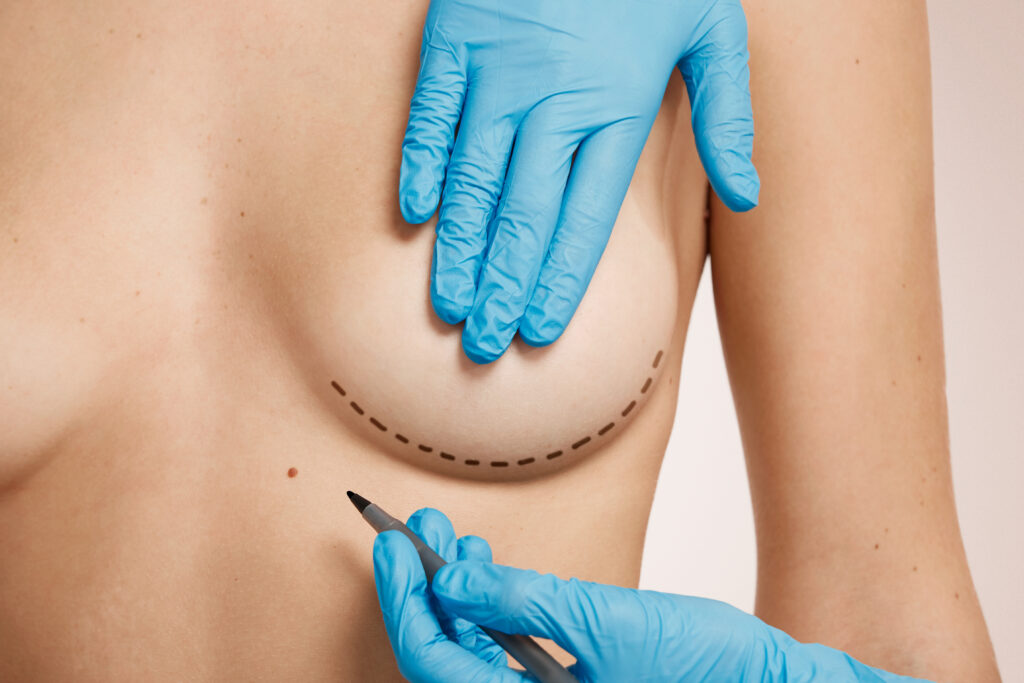
Most surgeons attempt to maintain the same incision lines from the initial breast augmentation. This reduces fresh scarring.
Procedure Customised for You
Your surgeon will evaluate the state of your implants and surrounding tissue. The operation might also involve reshaping or support work depending on your body and objectives.
Sealing the Incisions
Bandages are put on the incisions and closed with sutures or surgical tape. Sometimes, drains could be put temporarily to help with fluid accumulation.
Postoperative Expectations
Not everyone recovers in the same way. Most people, however, can anticipate the following:
Rest Time: You will require several days to relax. Most people take roughly a week off from their regular routines or work.
A Little Discomfort: Usually, pain is mild to moderate. You will probably have some bruising or swelling.
Follow-up: You will consult with your surgeon to track recovery.
Scars: Any operation might leave scars. Skilled surgeons, meanwhile, cut carefully to minimise visibility.
Your body will evolve. Breasts might feel softer or seem smaller. Your skin's elasticity and the length of time you've had the implants will determine this.
Last Words
Breast implant removal isn't about regret—it's about listening to your body and making the choice that fits your life today. It doesn't matter why you chose implants before. What matters now is how you feel moving forward. With the correct information and support, the process can be smooth and empowering.