
In recent years, homeowners have become more mindful of their environmental impact, seeking sustainable alternatives for maintaining their lawns. Traditional lawn care, while beautiful, requires frequent watering, the use of pesticides, and considerable energy to keep its lush appearance. As concerns over water scarcity and environmental pollution rise, many turn to artificial grass as a more sustainable option. Not only does synthetic grass offer a beautiful, low-maintenance alternative, but it also contributes to reducing your carbon footprint. If you're looking for a practical and eco-friendly solution for your garden, choosing the Best artificial grass for homes could be the change you need.
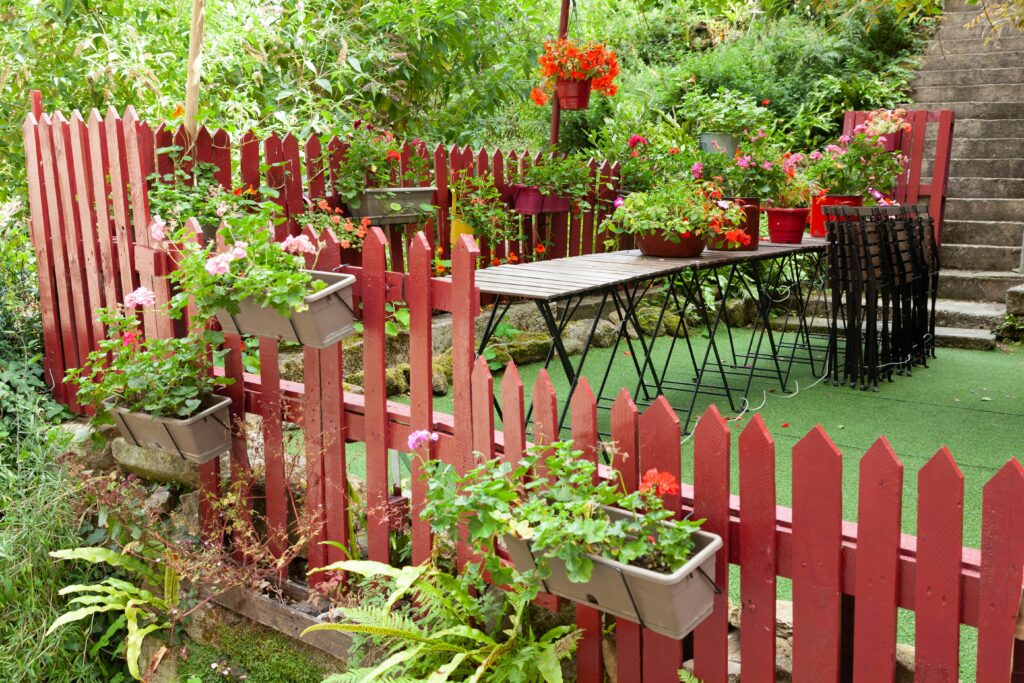
Water Conservation: A Major Environmental Benefit
The main environmental benefit of artificial grass involves its function as a water conservation tool. To remain vibrant and healthy, lawns in dry areas need massive amounts of water for maintenance. A standard residential lawn needs thousands of gallons of water annually to achieve its colourful appearance. The main benefit of artificial turf is that it needs no water for maintenance because it does not require irrigation systems to stay attractive. The water-saving benefits of synthetic grass prove especially useful during frequent droughts in affected regions. The substitution of natural grass with artificial turf reduces water consumption significantly, leading to important water preservation for upcoming generations.
Reduced Carbon Footprint: A Green Alternative
The traditional lawn maintenance process, using gas-operated mowers, trimmers, and blowers, produces greenhouse gas emissions, which also cause air pollution. People who maintain natural lawns often need to visit hardware stores multiple times to get gas, chemicals, and fertilizers, yet many such products damage the environment. Artificial grass eliminates mowing and fertilizing because it requires no regular maintenance to maintain its pristine state. Artificial grass proves to be an environmentally friendly solution because it requires less fuel consumption while eliminating chemical applications.
Chemical-Free Landscaping for a Healthier Environment
Artificial grass supports environmental health by eliminating harmful chemicals, reducing water usage, and lowering the carbon footprint. Natural grass treatments with pesticides, herbicides, and fertilizers cause these chemicals to seep into the soil and local water supplies, which pollute surrounding ecosystems. Your garden will receive better protection through artificial grass, eliminating the need for harmful chemicals. Synthetic grass selection enables you to defend your local environment and the nearby wildlife.
Low-Maintenance and Long-Lasting
A pristine lawn demands extended periods of work that include regular cutting combined with periodic fertilizer and weed removal applications. Synthetic grass minimizes the overall maintenance schedule significantly. The turf requires occasional fiber brushing to maintain an upright position and simple rinsing to eliminate debris. The low-maintenance characteristic helps save time and effort and eliminates the requirement for dangerous gas-powered lawnmowers. Artificial grass has a long product life span because high-quality turf products can last between 20 years and beyond. The extended lifespan of artificial grass produces long-term cost efficiency for homeowners since they need to replace or maintain their lawns much less frequently.
A Beautiful Lawn, Year-Round
Artificial grass offers a constant attractive appearance as its main advantage. Artificial grass maintains its green colour throughout the year without being affected by droughts, pests or seasonal changes, which naturally affect natural grass. Your lawn will maintain a perfect appearance during summer heat and winter cold. Homeowners find artificial grass to be their ideal solution because it creates a stunning visual effect every season without the typical maintenance needs of natural grass lawns. Your property benefits from continuous visual appeal through artificial grass, which needs minimal care to maintain its top condition.
Conclusion: Embracing a Sustainable Future
In the future, sustainability needs to be our primary consideration when selecting products for our houses and garden spaces. Artificial grass delivers an environmentally responsible answer to conventional lawn maintenance practices, which require large amounts of water, chemicals, and extensive maintenance time. Artificial grass represents the upcoming sustainable landscaping trend because it saves water while creating a low-carbon environment and needs minimal upkeep. Selecting synthetic grass helps you create an improved garden appearance and develop sustainable environmental practices. Your home garden will benefit from choosing the Best artificial grass, which is an eco-friendly choice. The selection of artificial grass benefits your house while supporting environmental sustainability.


