
As a landlord, you have a wide range of legal responsibilities towards your tenants. While some of these are common knowledge, others can be a little more vague, and it’s important to do some research to understand what you’re legally required to do.
The kinds of heating arrangements present in a property are an essential aspect of ensuring that it’s safe and comfortable to live in, and the law treats this issue accordingly. With that in mind, these are the heating obligations that you should know about as a landlord.
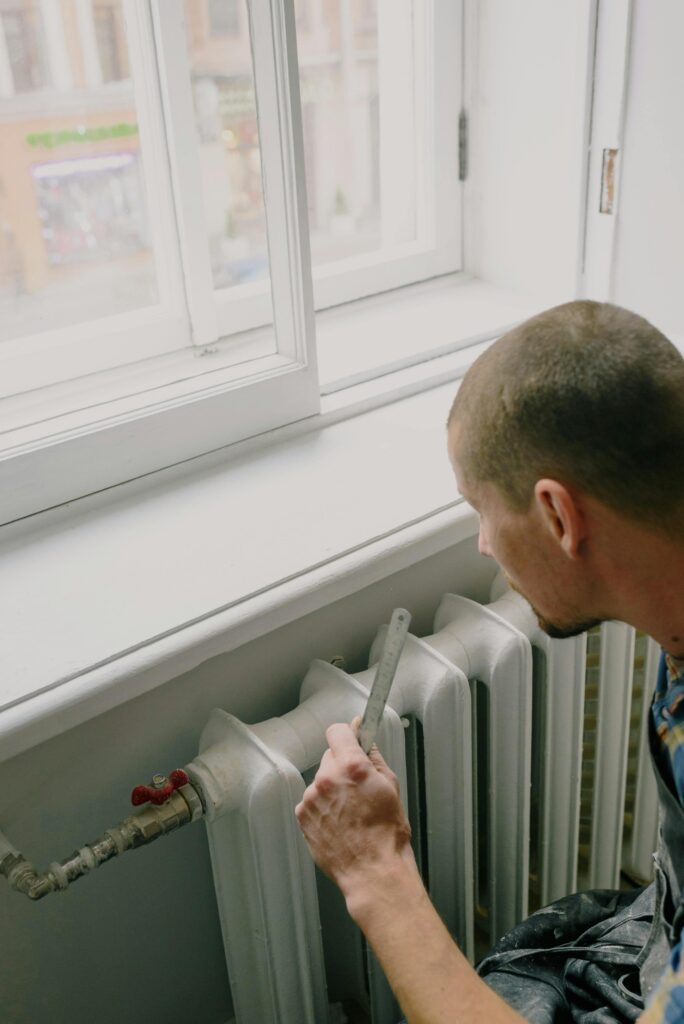
Heating Options for All Occupied Rooms
As a landlord, one of the clearest heating obligations you owe to your tenants is the ability for them to heat each and every occupied room in the property. There are a few different options you can choose between, from central heating using a conventional gas boiler or heat pump, all the way to fixed gas and electric heaters.
It’s worth considering the efficiency of the option you choose to install. If it results in huge energy bills, you may struggle to find a tenant who is prepared to swallow those higher costs, potentially necessitating a rent reduction as a result.
Maintenance Obligations
No matter what source you choose to use, it is your responsibility to ensure that everything is maintained properly and kept safe. With gas boilers, for example, this means that you have a legal responsibility to carry out annual services, using a Gas Safe registered boiler technician service like Able Plumbers.
You also have a legal responsibility to provide tenants with the latest gas safety check records. With new tenants, this must be provided before the move-in date. With existing tenants, you must provide it to them within 28 days of the check being conducted.
The Details of Heating Responsibilities
It’s not enough to just throw a heater in the rooms and then leave it at that. The heating system has to be effective, which in practical terms means that the occupants must be able to heat sleeping spaces to at least 18 degrees Celcius and living areas to at least 21 degrees Celcius, when the outside temperature is minus 1.
While this partially depends on having an adequate heating solution installed, it also means that the property needs to be properly insulated. After all, if all the heat simply escapes through thin walls and windows, you won’t be able to keep it warm no matter how much heat you put into a room.
If landlords fail to meet these obligations, then they can be taken to court by their tenants. It’s worth being proactive about it, to keep your tenants happy and avoid unnecessarily expensive heating system repairs.
It’s worth researching all of your obligations as a landlord early on, to avoid making any potentially costly mistakes. It’s much easier to meet your legal requirements by taking early action than it is to wait for your tenants to make a formal complaint and force your hand.