Bartending, often romanticised in movies and television, is much more than serving cocktails with flair. It is a global profession that combines creativity, hospitality and cultural exchange. A career in bartending offers unique opportunities, challenges and experiences that vary significantly across countries. This article delves into the worldwide perspectives on bartending, exploring how this profession is perceived and practiced in different parts of the world.
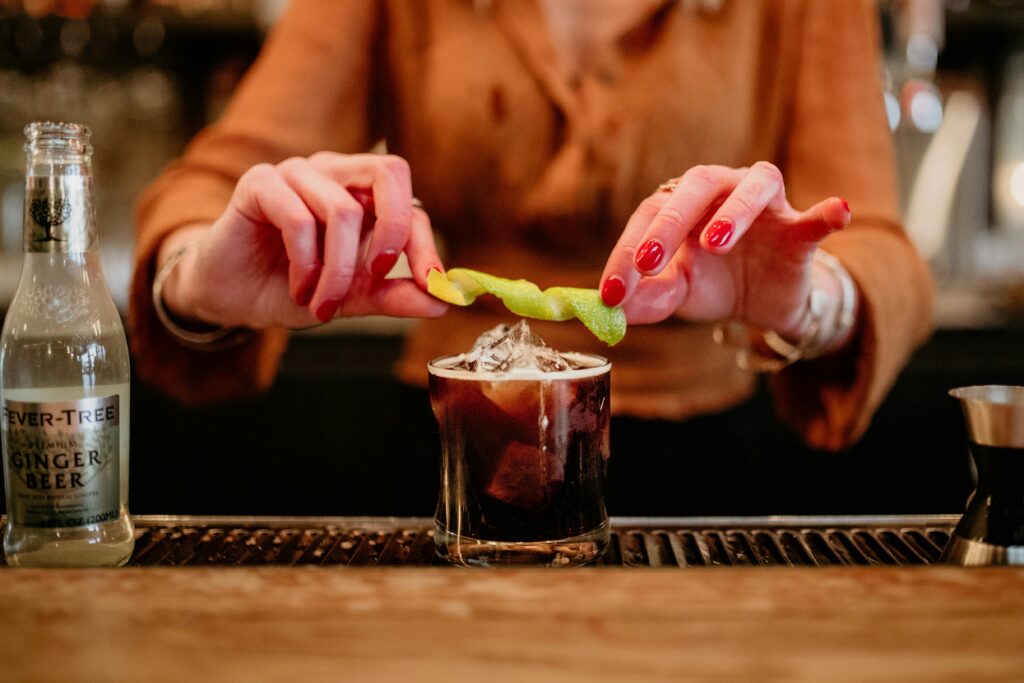
Photo by Daniel on Unsplash
The Art and Science of Bartending
At its core, bartending is a blend of art and science. From mastering mixology to understanding the psychology of customer service, bartenders are skilled professionals who create memorable experiences. In countries like the United States and the United Kingdom, bartenders undergo formal training to learn the intricacies of crafting cocktails, pairing flavours and ensuring proper beverage presentation. Bartending school and certification programs help bartenders gain credibility and increase their earning potential.
In contrast, many bartenders in countries like Italy or Japan learn their craft through apprenticeships, honing their skills under the mentorship of seasoned professionals. This hands-on approach emphasises tradition and artistry, often resulting in a deep respect for the profession.
Cultural Perceptions of Bartending
Bartending's societal perception varies widely. In countries like the United States and Australia, bartending is seen as a viable career path that offers flexibility, creativity, and opportunities to earn substantial income, especially through tips. Bartenders in these countries often enjoy a lively work environment, with the chance to network and build social connections.
On the other hand, in some cultures, bartending is viewed as a transitional job or one taken up by students to support themselves financially. For instance, in many Asian countries, bartending is not always seen as a long-term career option but rather a stepping stone to other opportunities.
Japan stands out as an exception, where bartending is considered a respected craft. Japanese bartenders, known for their meticulous attention to detail, are often regarded as artists who elevate cocktail-making to a ceremonial experience. The practice of perfecting every aspect of drink preparation, from ice carving to garnishing, reflects a cultural commitment to excellence.
Economic Opportunities and Challenges
The financial rewards of bartending can be significant, particularly in countries with a strong tipping culture. In the United States, bartenders can earn well above the minimum wage, thanks to generous tips from patrons. As a result, bartender salary in the U.S. can vary widely depending on the establishment and the location, with top earners bringing in substantial amounts through tips. Similarly, in countries like Canada and New Zealand, bartenders often enjoy competitive wages combined with gratuities.
In European countries such as France or Germany, tipping is less common and bartenders rely primarily on their base salary. While this can mean lower take-home pay compared to tip-based systems, the profession still provides stability and opportunities for growth. Many European bartenders also benefit from additional perks, such as health insurance and paid vacation, which are less common in countries with tip-dependent income.
Bartending as a Path to Travel and Adventure
One of the most appealing aspects of a bartending career is its portability. Skilled bartenders are in demand worldwide, making it easier for professionals to travel and work in different countries. Seasonal jobs in tourist hotspots, cruise ships or luxury resorts offer bartenders the chance to explore new cultures while earning a living.
For instance, countries like Thailand and Spain attract bartenders seeking vibrant nightlife scenes and international crowds. Similarly, cities like Dubai and Singapore are known for their high-end cocktail bars and affluent clientele, offering lucrative opportunities for experienced mixologists.
However, working abroad as a bartender comes with its challenges. Navigating visa requirements, adapting to different workplace cultures, and overcoming language barriers can be daunting. Yet, for many, the rewards outweigh the difficulties, as bartending abroad often leads to personal growth and unforgettable experiences.
Gender Dynamics in Bartending
The bartending industry has historically been male-dominated, but this trend is changing. In recent years, more women have entered the profession, challenging stereotypes and reshaping the industry. Organisations like the "Speed Rack" competition, which highlights female bartenders’ skills, have played a crucial role in empowering women in the field.
While gender equality in bartending has made significant strides in countries like the United States and the United Kingdom, challenges remain in more conservative regions. In some Middle Eastern countries, cultural norms restrict women from working in bars, limiting their opportunities in the profession.
Future Trends in Bartending
The bartending industry is constantly evolving, influenced by global trends and consumer preferences. The rise of craft cocktails, low-alcohol and non-alcoholic beverages, and sustainable practices are reshaping the way bartenders work. Countries like Sweden and Denmark are leading the charge in creating eco-friendly bars that prioritize locally sourced ingredients and minimal waste.
Additionally, technology is playing a growing role in bartending. From automated cocktail machines to apps that enhance customer engagement, innovation is transforming the industry. However, the human touch remains irreplaceable, as bartenders continue to serve as storytellers, entertainers, and confidants for their patrons.
Bartending is more than just a job; it is a dynamic career that bridges cultures, fosters creativity, and offers opportunities for personal and professional growth. Whether you’re crafting cocktails in a bustling New York City bar, carving ice in a Tokyo speakeasy, or serving mojitos on a beach in the Caribbean, bartending allows individuals to immerse themselves in diverse environments and connect with people from all walks of life.
As the profession continues to evolve, bartenders worldwide are embracing new trends and breaking stereotypes, proving that this career is as rewarding as it is versatile. For those with a passion for mixology, hospitality, and adventure, bartending offers a ticket to sipping success on a global scale.