
The field of healthcare is rapidly evolving, driven by technological advancements, changing patient needs, and the continuous quest for better outcomes. As a result, healthcare education is also undergoing significant transformations to prepare future professionals for the challenges ahead. From integrating cutting-edge technology into curricula to expanding specialised programs, these developments are shaping the way healthcare professionals are trained. In this article, we explore seven new developments in healthcare education that are setting the stage for a more effective and responsive healthcare workforce.
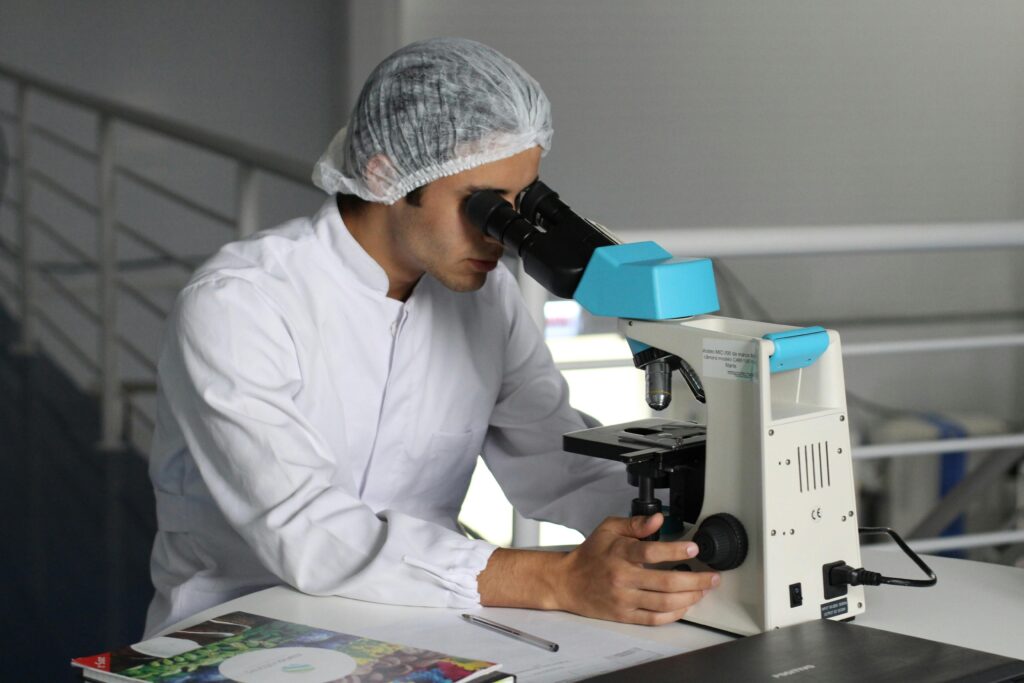
1. Integration of Technology in Curriculum
One of the most significant changes in healthcare education is the integration of technology into the curriculum. Technologies such as virtual reality (VR) and augmented reality (AR) are revolutionising how students learn. These tools allow students to experience realistic simulations of medical procedures, surgeries, and patient interactions in a controlled environment. For example, VR can simulate a complex surgical procedure, enabling students to practice their skills without the risks associated with real-life surgery.
This hands-on experience with technology not only enhances students’ understanding but also builds their confidence before they enter clinical settings. Additionally, the use of electronic health records (EHRs) in training helps students become proficient in using digital tools that are now a staple in healthcare environments. As technology continues to advance, its role in healthcare education is expected to grow, making it an indispensable part of modern training programmes. Lessons from innovation, such as navigating challenges like patent rejection, also encourage students to think critically and remain resilient in problem-solving.
2. Specialised Programmes Like Masters in Healthcare Analytics
With the increasing complexity of healthcare systems, there is a growing demand for professionals who specialise in specific areas of healthcare. One such area is healthcare analytics, which focuses on using data to improve patient outcomes and optimise healthcare operations. A masters in healthcare analytics is an example of a specialised program that equips students with the skills needed to analyse complex healthcare data and make informed decisions.
These specialised programmes are designed to meet the industry’s specific needs, providing students with targeted knowledge and skills that are directly applicable to their careers. As healthcare becomes more data-driven, the demand for professionals with expertise in healthcare analytics is expected to rise, making such programmes increasingly popular among students and employers alike.
3. Emphasis on Interprofessional Education (IPE)
Interprofessional Education (IPE) is another critical development in healthcare education. IPE involves training healthcare students from different disciplines to work together as a team. This approach fosters collaboration, communication, and teamwork among future healthcare providers, which are essential skills in delivering high-quality patient care.
For instance, nursing students, medical students, and pharmacy students might work together on a simulated patient case. This collaboration helps them understand each other’s roles and responsibilities, leading to more effective teamwork in real healthcare settings. By emphasising IPE, educational institutions are preparing students to work in integrated healthcare environments, where the ability to collaborate across disciplines is crucial for patient safety and care quality.
4. Expansion of Online Learning and Flexibility
The rise of online learning platforms has significantly impacted healthcare education by providing greater flexibility for students. This is particularly beneficial for working professionals who wish to further their education without disrupting their careers. Online programs offer the convenience of learning at one’s own pace and on one’s own schedule, making education more accessible to a broader audience. For practicing clinicians, pairing this academic adaptability with the control gained from working with a locums agency creates an ideal environment for professional growth. This unique combination allows healthcare providers to temporarily step away from rigid hospital schedules, tailoring their clinical shifts around their coursework to prevent burnout while advancing their credentials.
Moreover, online learning platforms are increasingly incorporating interactive elements, such as virtual labs and discussion forums, to engage students and enhance their learning experience. The flexibility offered by online learning also allows students to balance their studies with personal and professional responsibilities, making it easier for them to pursue advanced degrees or certifications.
5. Focus on Global Health Issues
As the world becomes more interconnected, healthcare education is placing a greater emphasis on global health issues. This includes preparing students to address health challenges that transcend national borders, such as pandemics, infectious diseases, and healthcare disparities. Programmes are increasingly incorporating global health perspectives into their curricula, teaching students about the social, economic, and political factors that influence health worldwide.
For example, students may study the impact of global health initiatives or participate in international health projects as part of their education. This global focus equips students with the knowledge and skills needed to contribute to improving health outcomes not just locally but globally as well. By understanding global health issues, healthcare professionals are better prepared to respond to global crises and work towards health equity. This foundational understanding becomes especially critical for doctors traveling abroad on short-term or international clinical assignments. Navigating unique public health frameworks and diverse patient populations firsthand turns theoretical global health knowledge into practical, adaptable care.
6. Simulation-Based Learning
Simulation-based learning is becoming an increasingly important tool in healthcare education. This method allows students to practice their skills in a controlled environment that mimics real-life medical scenarios. Whether it’s through the use of high-fidelity mannequins, virtual patients, or interactive software, simulation-based learning provides students with a safe space to develop and refine their clinical skills without the risk of harming actual patients.
For example, a nursing student might practice administering medication or responding to an emergency situation using a lifelike mannequin that can simulate various medical conditions. This type of learning helps students build confidence and competence, as they can repeat procedures and receive immediate feedback on their performance. Simulation-based learning also fosters critical thinking and decision-making skills, as students must assess and respond to dynamic situations as they would in a real clinical setting. As healthcare education continues to evolve, simulation-based learning will likely play an even larger role in training the next generation of healthcare professionals.
7. Development of Soft Skills
While technical skills are essential in healthcare, there is a growing recognition of the importance of soft skills such as communication, empathy, and leadership. These skills are crucial for building patient trust, working effectively in teams, and providing holistic care. Healthcare education programmes are increasingly incorporating soft skills training into their curricula to ensure that students are well-rounded professionals.
For instance, students might engage in role-playing exercises that simulate difficult conversations with patients or their families. They may also participate in workshops that focus on teamwork, conflict resolution, and leadership development. By honing these soft skills, healthcare students are better prepared to navigate the complex interpersonal dynamics of the healthcare environment. The emphasis on soft skills also reflects a broader shift towards patient-centred care, where understanding and addressing the emotional and psychological needs of patients is as important as treating their physical conditions.
Healthcare education is undergoing significant changes to better prepare students for the challenges and opportunities of the modern healthcare environment. From the integration of technology and simulation-based learning to the development of soft skills, these new developments are shaping the future of healthcare training. By staying informed about these trends, current and future healthcare professionals can ensure they are equipped with the knowledge, skills, and mindset needed to deliver exceptional care in an ever-evolving field. Lifelong learning and a commitment to professional growth will be key to maintaining high standards of care and improving patient outcomes as the healthcare landscape continues to change.